The Digital Economy: Opportunity, Trust, and the Cost of Convenience
439 words
When Mara opened her small ceramics studio, she imagined selling mostly to people who lived nearby. Instead, a photograph of one blue-glazed bowl travelled through an online marketplace and reached a buyer several thousand kilometres away. The platform supplied a storefront, payment tools, and access to customers she could never have found alone. Yet each sale came with a commission, packaging costs, and the pressure to respond quickly to messages. Mara had entered the digital economy: a system in which data, networks, and software shape how goods and services are created, exchanged, and valued.
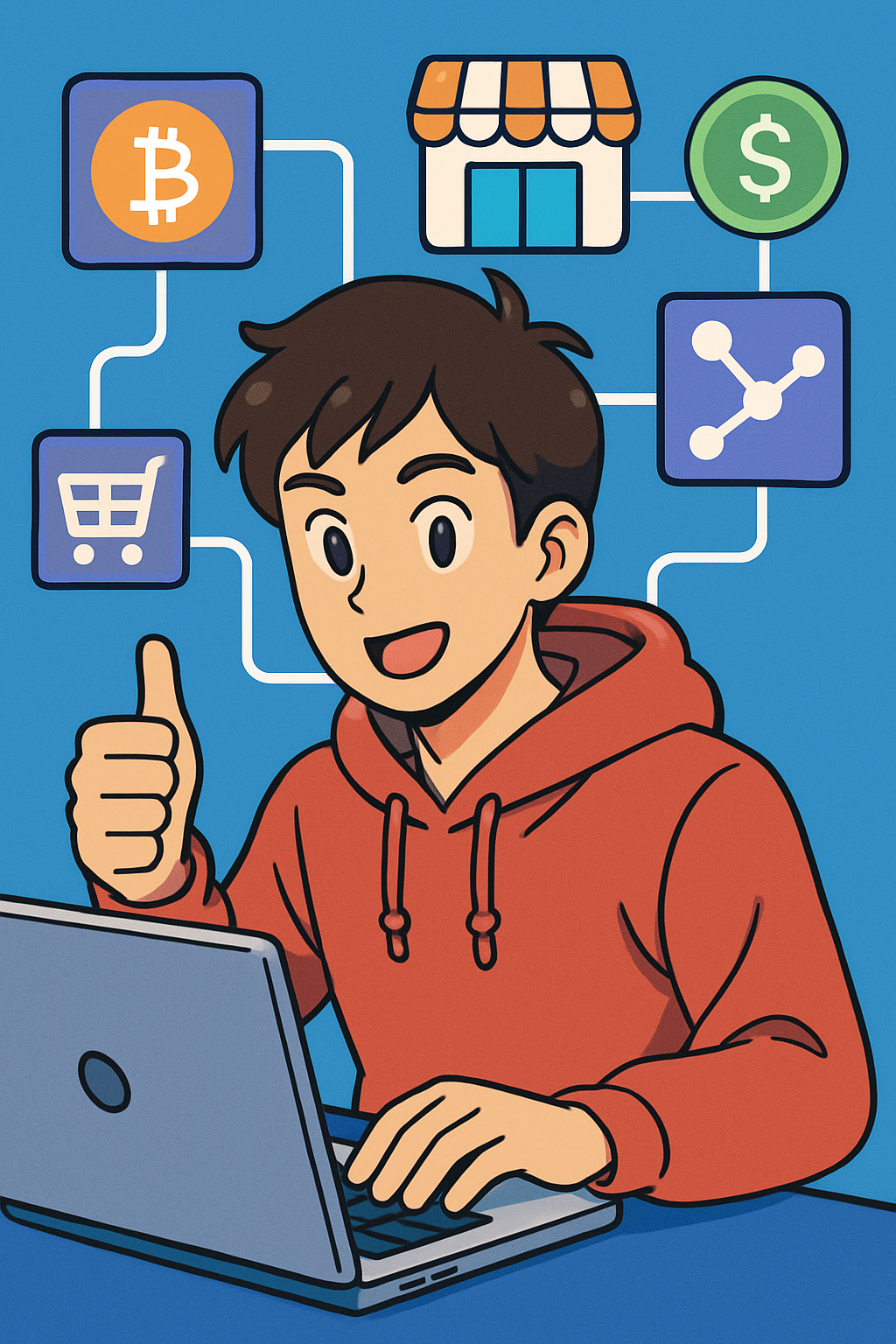
Online platforms often make this system feel effortless. A customer can compare prices, read reviews, and pay within minutes, while a seller can advertise without renting a shop. But convenience depends on decisions made behind the screen. Search algorithms determine which products become visible, and a platform can alter its fees or rules with little warning. Sellers may build a loyal following while remaining dependent on a company that controls access to their customers. In this sense, a digital storefront is both an opportunity and a new kind of gatekeeper.
Cryptocurrencies reveal another side of the same transformation. They use digital records to transfer value without relying on a traditional bank for every transaction. Supporters see potential in faster international payments and systems that are open to anyone with an internet connection. However, prices can rise and fall sharply, transactions may be difficult to reverse, and some networks consume substantial energy. The technology itself does not guarantee fairness or safety; its effects depend on how it is designed, governed, and used.
As Mara’s business grew, she began to notice how much information her online tools collected: customers’ locations, browsing habits, and purchase histories. Such data can help a seller understand demand, but it also raises questions about privacy and control. The digital economy creates value not only from what people buy, but from the information they produce while searching, sharing, and working. That value may be concentrated in a small number of companies, even when millions of people contribute to it.
Mara now sells through several channels, including her own website and a local craft fair. This approach takes more time, but it reduces her reliance on a single platform and gives her a clearer relationship with customers. Her experience suggests that the digital economy is neither automatically liberating nor inherently harmful. It expands what individuals and businesses can do, while making them dependent on systems whose rules are often difficult to see. Its future will depend on whether innovation is matched by transparency, responsible regulation, and a fairer distribution of the benefits it creates.