The Future of Work: Beyond the Job Title
399 words
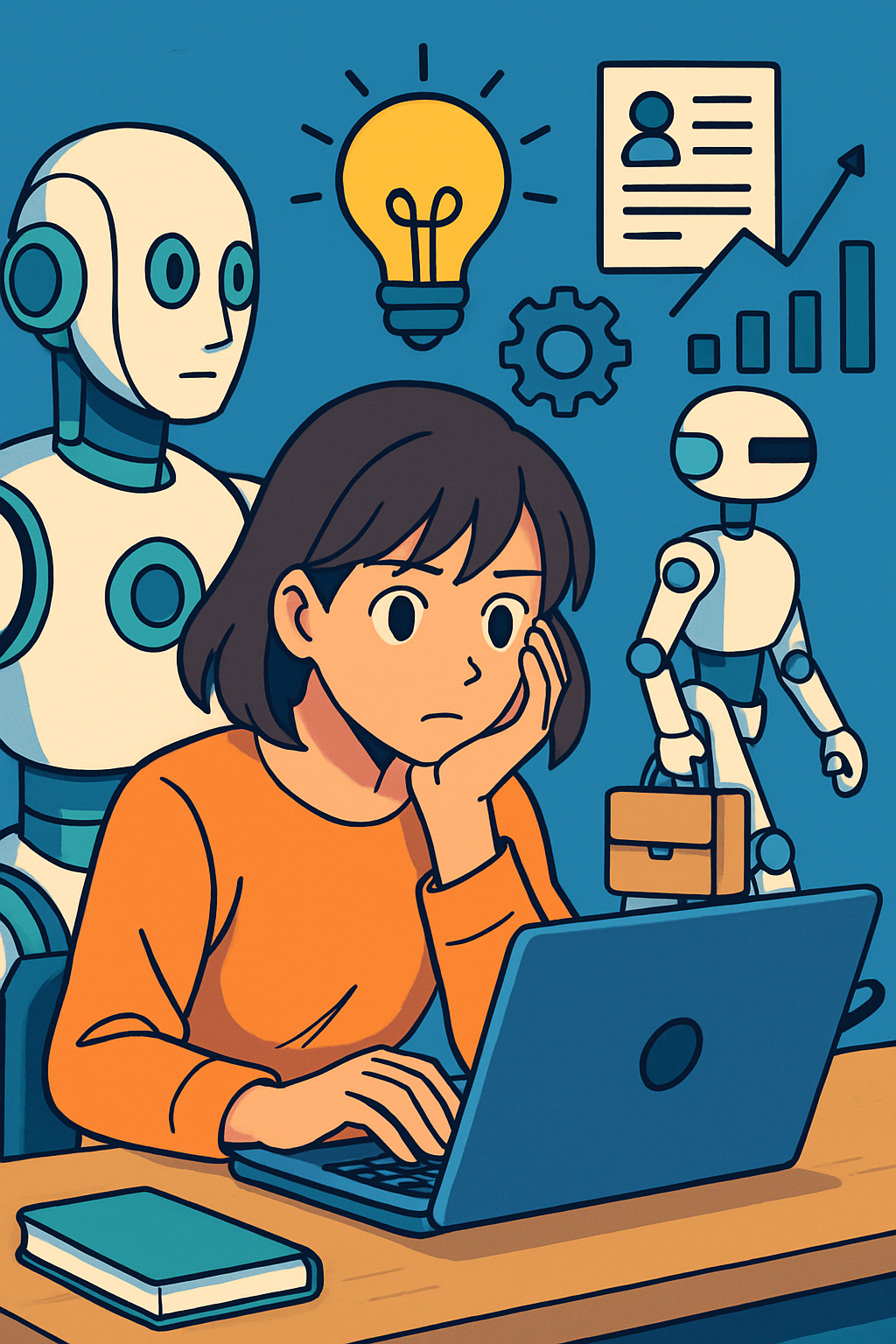
When a delivery robot began rolling through the lobby of a small hotel in Rotterdam, reception manager Lina expected the guests to complain. Instead, they asked how it worked. The machine could carry towels and meals, but it could not notice that an older visitor was struggling with a suitcase or understand why a child was nervous about staying in a new place. Lina soon realised that automation was not simply removing tasks. It was changing which parts of a job mattered most.
Across many industries, software and machines are taking over predictable activities, from checking invoices to sorting warehouse parcels. This can make work faster and safer, but it also raises difficult questions. If a role consists mainly of repetitive tasks, workers may need to move into new kinds of work. Some will receive training from their employers; others may have to seek courses while managing family responsibilities and uncertain incomes. The transition is rarely as simple as learning to operate a new device.
At the same time, the gig economy has made it easier to earn money through short-term projects, freelance platforms and app-based services. For some people, this flexibility is valuable: a designer can choose clients, while a student can fit evening shifts around classes. Yet independence can come with a price. Workers may lack paid leave, predictable schedules or a clear route to promotion. A person who is technically self-employed may still depend heavily on a platform’s rules and ratings.
The skills of tomorrow will therefore include more than technical expertise. People will need to interpret information, communicate across different backgrounds and decide when an automated system deserves trust. Creativity and empathy will remain important because human needs are often complicated, inconsistent and difficult to measure. Lina’s ability to notice a guest’s discomfort proved as useful as her knowledge of the hotel’s booking software.
In the years ahead, the central challenge will be to shape technology and employment systems around human lives. Schools and employers can help by making learning a continuous part of working life, rather than a brief stage before it. Governments and companies will also need to consider how people can retain security when jobs become less permanent. The future of work is not a single destination where machines replace people. It is a series of choices about how tasks are shared, how workers are supported and what society continues to value.