The Ballot Box and the Empty Town Hall
410 words
When the election posters appeared in the windows of Bellwether, the town seemed to wake from a long political sleep. Candidates promised safer streets, affordable housing and a council that would listen. Yet at the first public meeting, only eleven residents took their seats. Most were retired, and several had attended for years. The contrast was hard to ignore: hundreds of people would soon vote, but very few had come to discuss the decisions that shaped their daily lives.
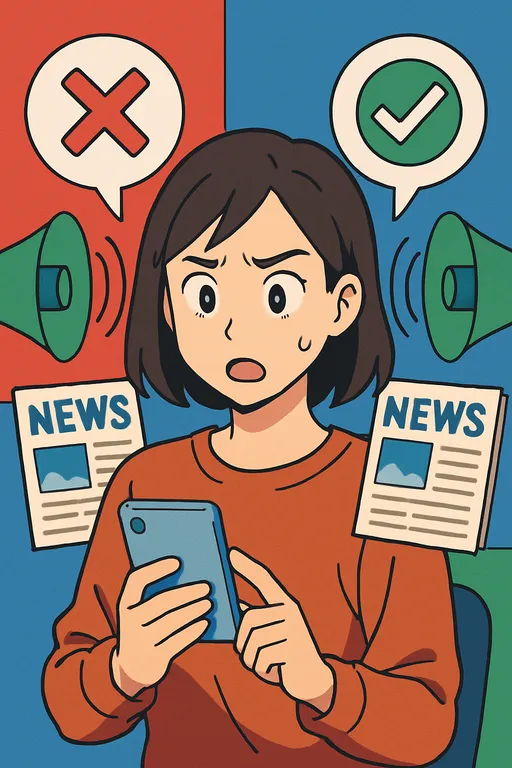
Mara, a young librarian, had assumed that local politics was a closed world of technical language and familiar faces. Then she noticed that a proposed transport plan would reduce the evening bus service used by hospital workers and students. She helped organise a meeting at the library, where residents could speak without needing to understand official reports. Some arrived angry; others were simply uncertain about what the council could change. By the end, they had identified practical questions and agreed to submit them together.
The meeting did not transform Bellwether overnight. Council officers answered some questions clearly and postponed others. A few residents left dissatisfied, convinced that consultation was merely a performance. But the process exposed a more complicated truth: trust is not created by asking people to attend once, nor does disagreement prove that democracy has failed. Trust grows when institutions explain their limits, publish evidence and show what they have done with public contributions. It also depends on citizens being willing to listen to people whose experiences differ from their own.
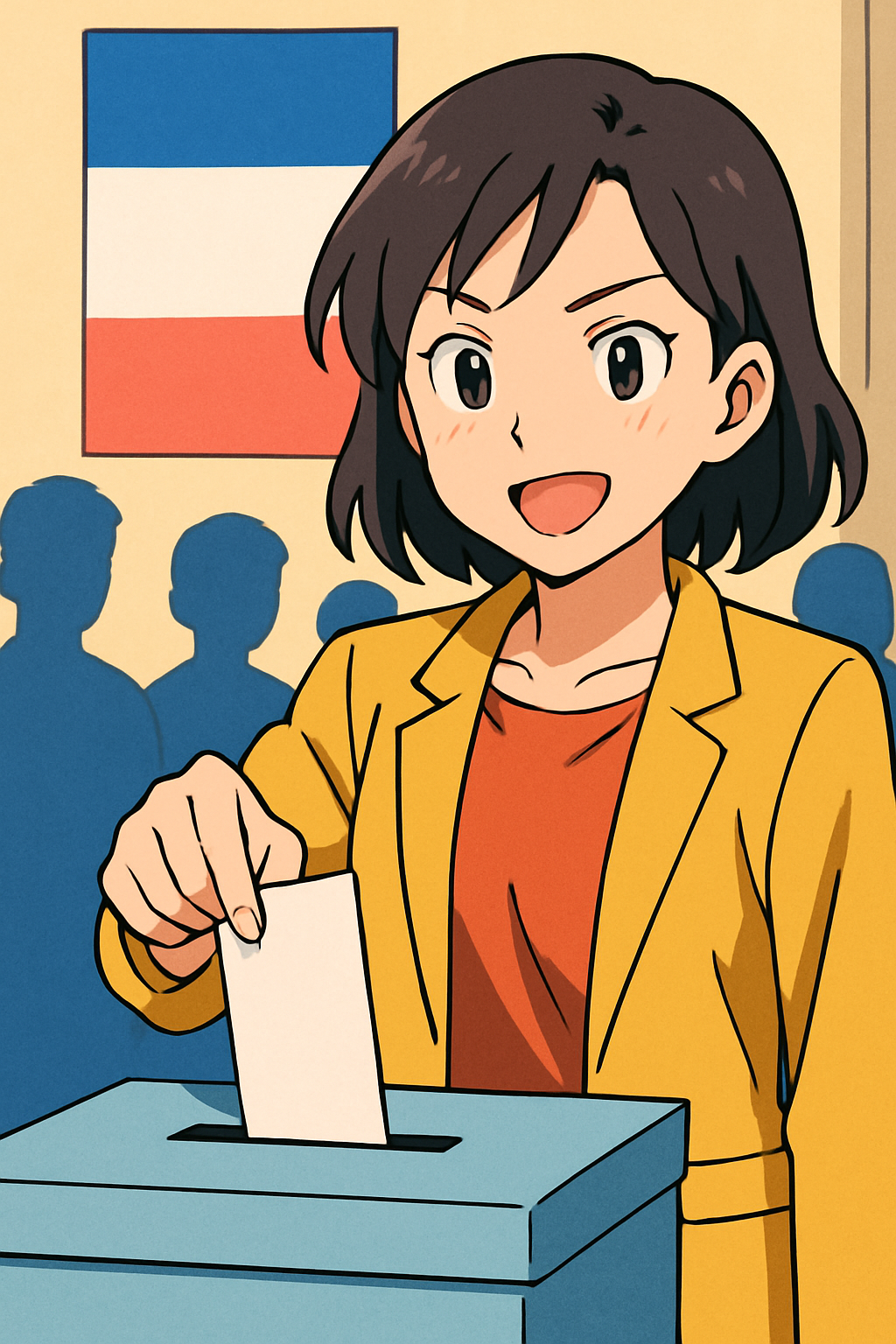
On election day, turnout rose slightly, though no candidate won an overwhelming mandate. The new council faced familiar constraints: a tight budget, competing demands and decisions that would disappoint someone. Mara continued attending meetings, not because she expected every concern to prevail, but because participation made it harder for decisions to be made invisibly. Over time, the town hall became less empty. Residents learned how to challenge a proposal, officials became more direct about uncertainty, and small changes—such as a later bus on two evenings—made the exchange feel consequential.
Bellwether’s experience offered no simple cure for political distrust. Voting remained essential, but it was only one part of democratic life. Elections choose representatives; participation helps communities scrutinise them and clarify what they need. Institutions earn confidence not by claiming to be perfect, but by being accountable when they fall short. And citizens strengthen democracy not by agreeing on everything, but by staying involved when the outcome is uncertain.