The Line Between Discovery and Responsibility
409 words
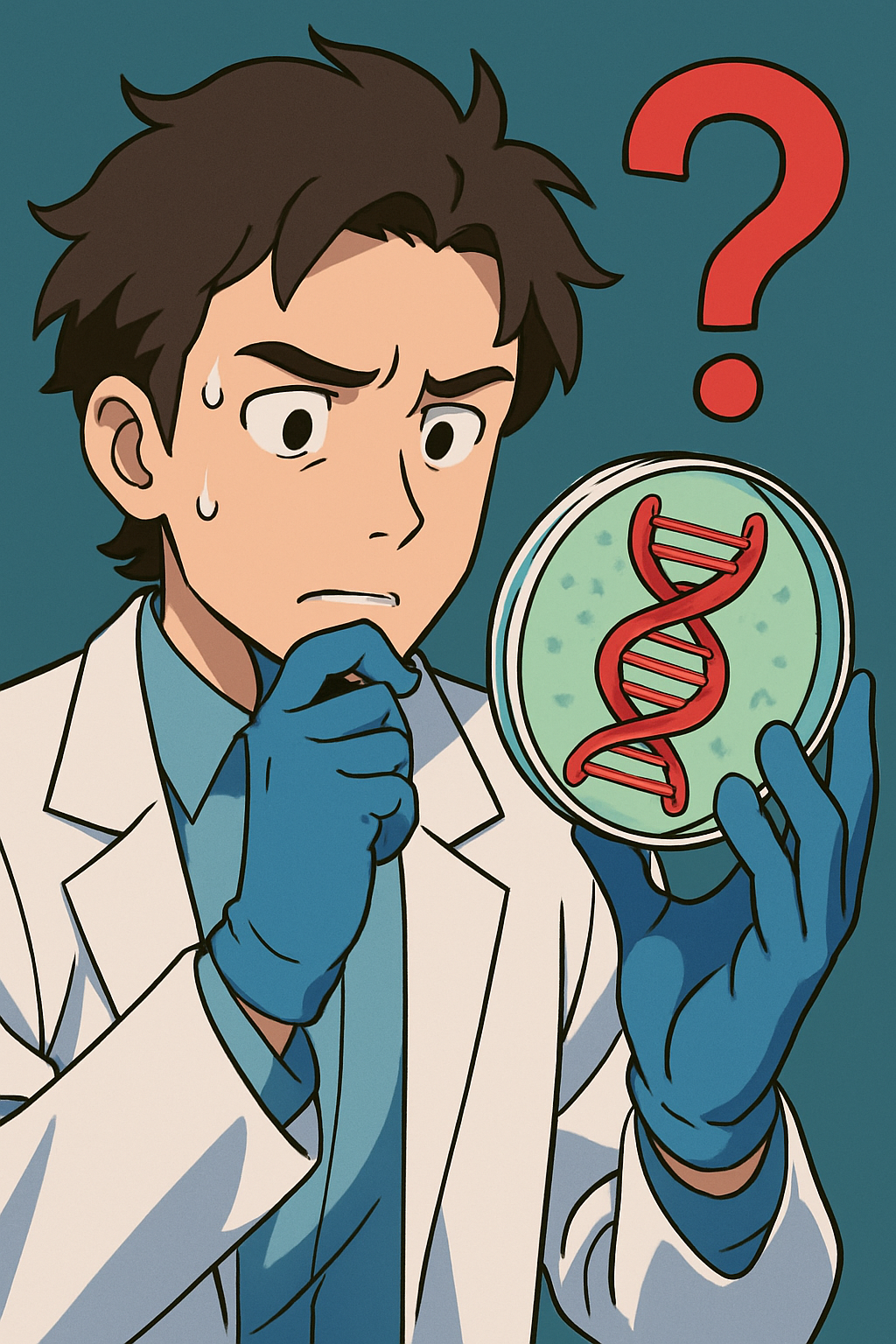
When Dr. Mara Venn began working on a method to prevent inherited heart disease, the goal seemed clear. Her team hoped to correct a single genetic change in embryos before it could pass from one generation to the next. The technique was still experimental, but early results suggested that it might one day spare families years of illness and loss. For Mara, the work represented science at its most humane: knowledge put to use in reducing suffering.
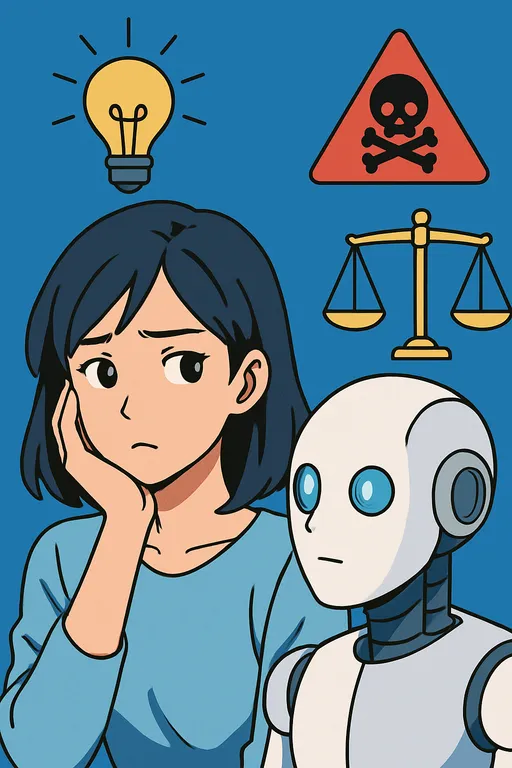
The difficulty emerged when the team discovered that the same genetic change appeared to offer a small advantage against a particular infection. Altering it might prevent heart disease, but it could also affect how a person’s body responded to illness. No one knew what consequences might appear decades later, or in the children of those treated. The research had reached a point where technical possibility no longer provided a sufficient reason to continue. Each new result made the decision less like a laboratory problem and more like a judgment about people who could not yet speak for themselves.
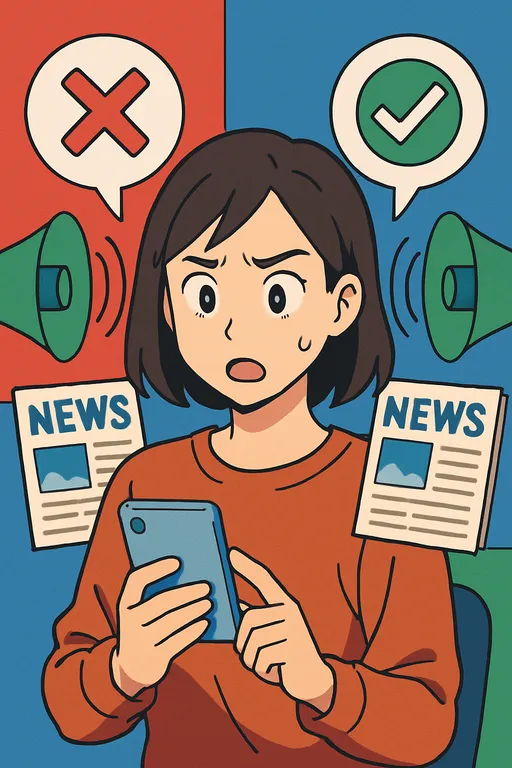
At a public meeting, Mara listened as patients described the fear of passing the disease to their children. Researchers spoke about uncertain outcomes, while ethicists questioned who should decide which inherited traits counted as defects. Some parents argued that refusing to develop the method would also be a choice, leaving families without a possible treatment. Others warned that once genetic changes could be selected, social pressure might turn a medical intervention into a demand for children who fit an ideal. Neither position was easy to dismiss.
Mara’s team decided to pause work on embryo editing and publish its findings, including the limits of what they had learned. The decision disappointed some supporters and frustrated colleagues who believed careful research was safer than secrecy. Yet the pause did not mean abandoning the problem. The team redirected its efforts towards treatments that affected patients directly and could be monitored, while inviting independent researchers and community representatives to review the evidence.
The episode changed Mara’s understanding of scientific responsibility. A discovery did not become ethical simply because it was accurate, and caution did not automatically mean fear of progress. Responsible science required openness about uncertainty, attention to who might benefit or bear the risks, and a willingness to stop when the consequences could not be responsibly managed. The boundary between knowledge and action remained difficult to draw, but discussing it openly became part of the work itself.