The Quiet Measure of Enough
420 words
When Mara inherited her aunt’s small apartment, she expected to find little more than old furniture and family photographs. Instead, she discovered a room crowded with objects: unopened kitchen gadgets, clothes with their labels still attached, and boxes of books she had once meant to read. The apartment looked familiar. Her own flat was full in much the same way, though she had always thought of herself as organised. The difference was that her aunt had left her a clear view of the problem.
Mara began with one cupboard, not with a grand plan. She kept the things she used, gave away items someone else could enjoy, and recycled what was broken. The process took weeks. Each decision raised a question about the life she had imagined: the expensive pans bought for a future of ambitious cooking, the formal clothes saved for a career she no longer wanted. Letting go did not mean rejecting those hopes. It meant admitting that some of them had already served their purpose.
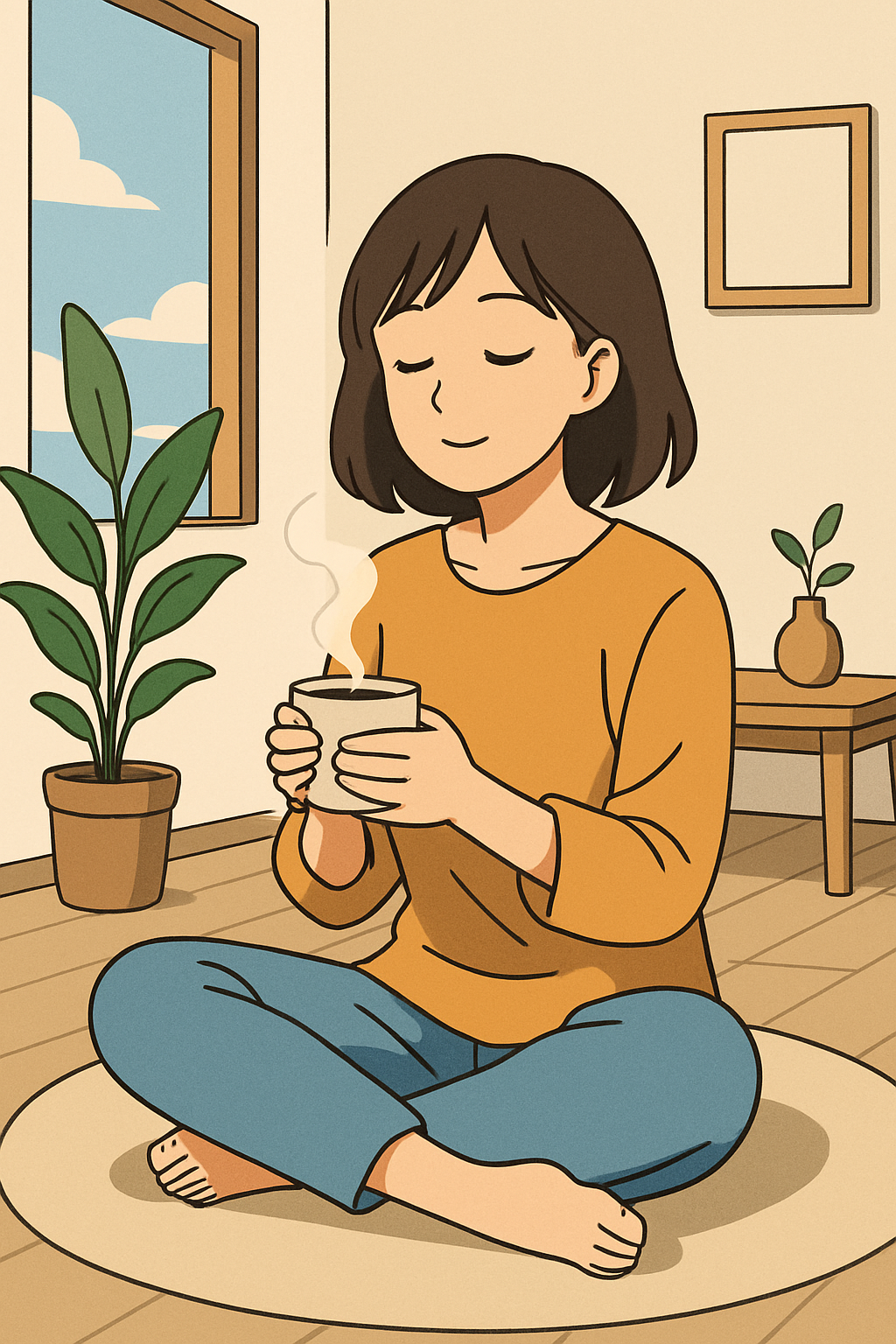
The apartment’s emptier rooms changed the pace of her days. With fewer belongings to maintain, she spent less time tidying and searching. She began walking to work instead of checking messages on the train, and she cooked simple meals without treating dinner as another task to optimise. These changes were modest, but they gave her attention back. She noticed the weather, the baker who opened before dawn, and how often she had agreed to plans simply because an empty evening seemed unproductive.
Mara did not become indifferent to ambition. She still cared about doing good work, and she still saved money for travel. What changed was her definition of success. For years, she had measured it by visible progress: a larger salary, a more impressive home, a calendar packed with commitments. Now she valued the ability to choose what deserved her energy. Sometimes that meant taking on a demanding project; sometimes it meant declining one and spending Sunday with a book.
Minimalism, she came to understand, was not a style of bare rooms or a contest to own the fewest things. It was a practice of making room for what mattered, while slow living was the decision to experience that room rather than immediately fill it. Neither offered a perfect life. Mara still made impulsive purchases and worried about falling behind. But when those worries returned, she could look around her uncluttered kitchen and remember that enough was not a finish line. It was a measure she could reconsider, deliberately, each day.