The Living Archive: How the Brain Learns and Forgets
415 words
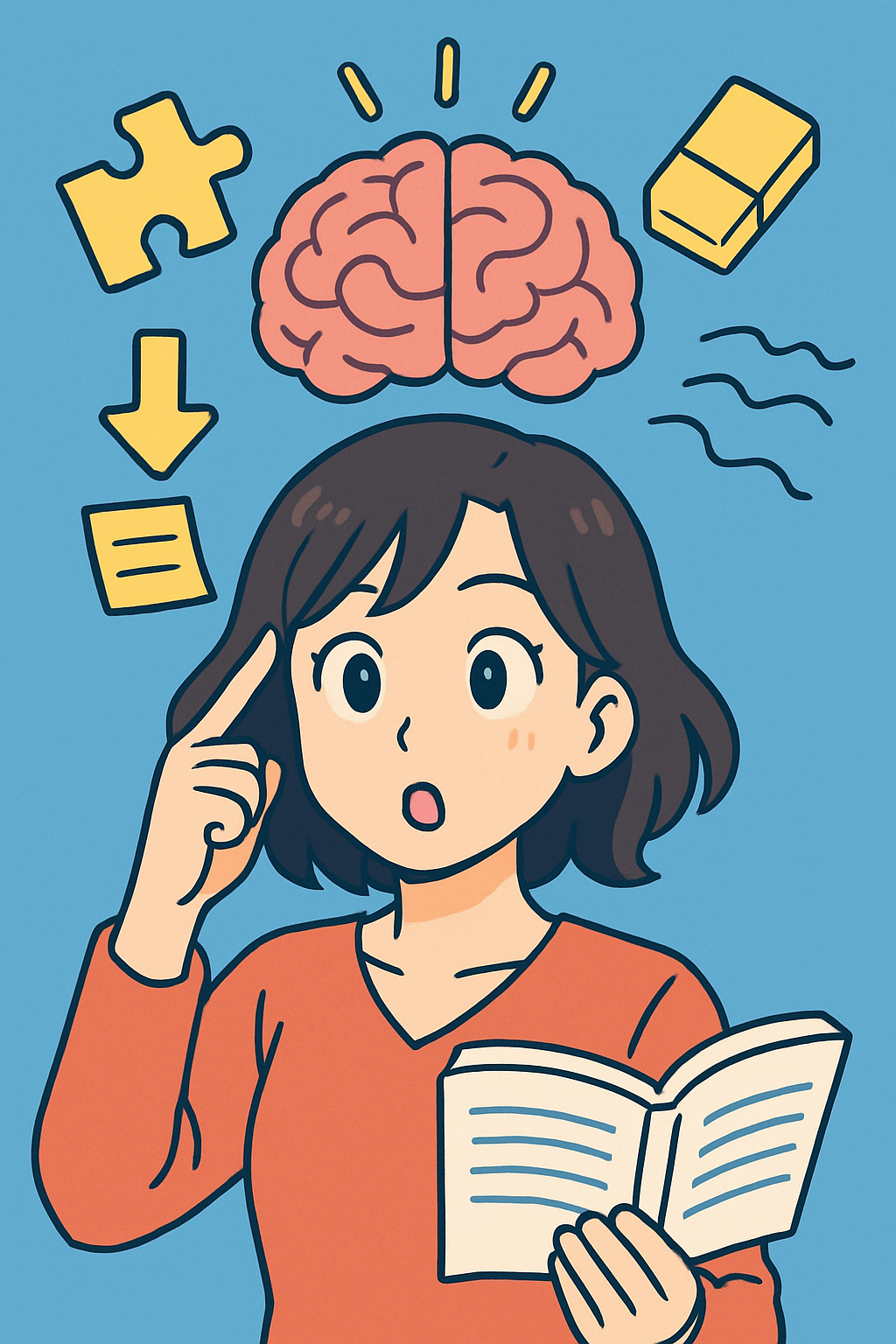
Memory is often imagined as a filing cabinet: experiences are stored in neat compartments and retrieved when needed. The brain is less orderly. It does not preserve a complete recording of every moment. Instead, it builds patterns from experience, changing connections between nerve cells as we learn. Remembering is therefore not simply opening a file; it is a process of reconstruction, shaped by what we know and feel now.
When we encounter something new, groups of neurons become active together. If their activity is repeated or meaningful, the connections between them may grow stronger. This process, known as synaptic plasticity, helps the brain form lasting memories. Attention matters because information that receives little notice is unlikely to be encoded deeply. Emotion can also strengthen a memory: a joyful celebration or sudden danger may remain vivid because the brain treats its significance as a reason to preserve it.
Yet vividness is not the same as accuracy. Each time we recall an event, we assemble it from stored details, expectations and later information. A person might remember the broad outline of a childhood holiday while unconsciously filling gaps with family stories told afterward. This flexibility is useful: it allows memory to guide decisions in changing circumstances. But it also means that confidence alone cannot prove that a recollection is exact.
Forgetting, too, is not simply a failure. The brain encounters far more information than it can use, so some details fade or become difficult to retrieve. New learning can interfere with older material, while a memory that is rarely revisited may weaken. Sleep supports the process of consolidation, during which the brain stabilises and reorganises new learning. Rest does not preserve every detail, but it can help important patterns become easier to access.
Learning well usually requires more than repeating information once. Spacing practice over time, testing oneself without looking at the answers, and connecting new ideas to familiar ones can make knowledge more durable. These methods work partly because they ask the brain to retrieve and reorganise what it has learned. The effort involved is not a sign that learning is failing; it may be evidence that the brain is building a stronger route to the information.
Seen this way, memory is not a perfect archive but an adaptable system. It keeps enough of the past to help us interpret the present and prepare for what might come next. Its gaps can mislead us, but its capacity to reshape knowledge is also what makes learning possible.