The Line Between Speaking Freely and Staying Private
448 words
When a local newspaper published a photograph of a crowded town square, most readers saw an ordinary scene: a market stall, a street musician and people hurrying home. But one woman, Mara, recognised herself in the picture. She had been attending a peaceful demonstration, and the image showed her holding a sign criticising the city council. Within hours, the photograph had been shared widely online. Mara worried that her employer, who had previously objected to her public campaigning, might see it. The newspaper had not named her, yet her face was clear.
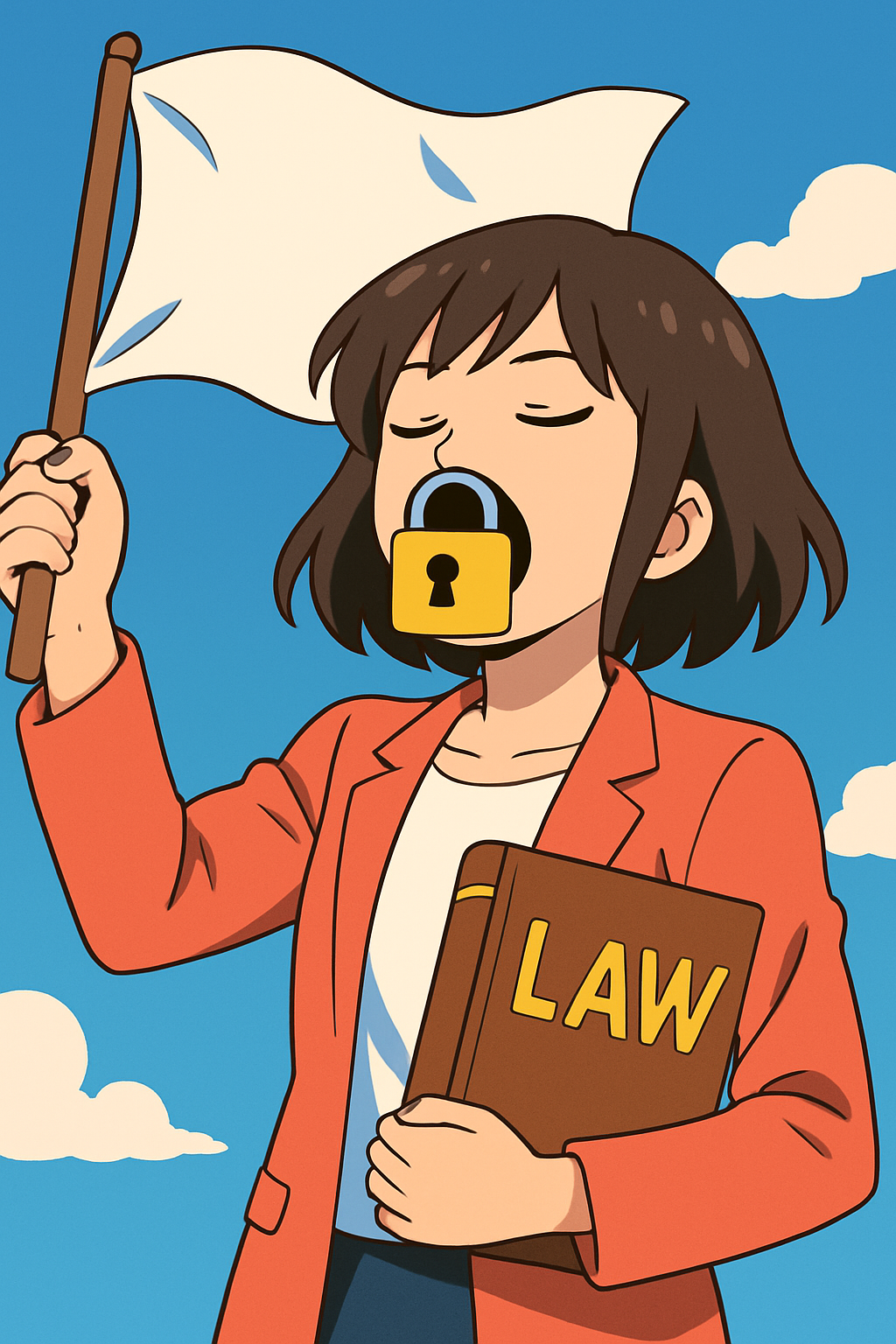
The episode brought two important human rights into sharp focus. Freedom of expression protects the ability to communicate ideas, criticise those in power and receive information. Privacy protects a person’s private life, personal information and dignity. Neither right is unlimited. A government may restrict speech in certain circumstances, such as to prevent serious harm or protect another person’s rights, but restrictions should be lawful, necessary and proportionate. Similarly, privacy does not automatically prevent reporting on matters that genuinely concern the public.
The difficult question is how to balance these interests in a particular case. A photograph of a public demonstration may help document an event and inform citizens about political activity. At the same time, publishing identifiable images can expose individuals to harassment or professional consequences. Relevant factors may include whether the person was in a public place, how the image was obtained, whether identification was necessary, and whether the story served a public interest rather than mere curiosity. Laws and court decisions vary across countries, so the same publication may be treated differently in different legal systems.
Mara contacted the editor, asking for the image to be blurred. The editor replied that the demonstration was newsworthy, but agreed that showing her face added little to the report. The online version was updated, while the original photograph remained in the newspaper’s archive. Neither side had won everything: the report continued to inform readers, and Mara became less easily identifiable. Their exchange illustrated a principle that human rights law often relies on—careful judgment rather than an automatic victory for one right.
Digital sharing makes that judgment more urgent. A picture or comment can travel far beyond its original audience, and removing it later may not erase every copy. Responsible publishers and individuals can reduce harm by checking facts, considering the consequences of identification and using only the personal details needed to tell a story. Protecting privacy should not silence legitimate debate; defending free speech should not make personal dignity irrelevant. A society committed to both rights must keep asking what information people need, what risks disclosure creates and whether a less harmful way of communicating is available.