The Harvest Ahead: Rethinking Food Security
478 words
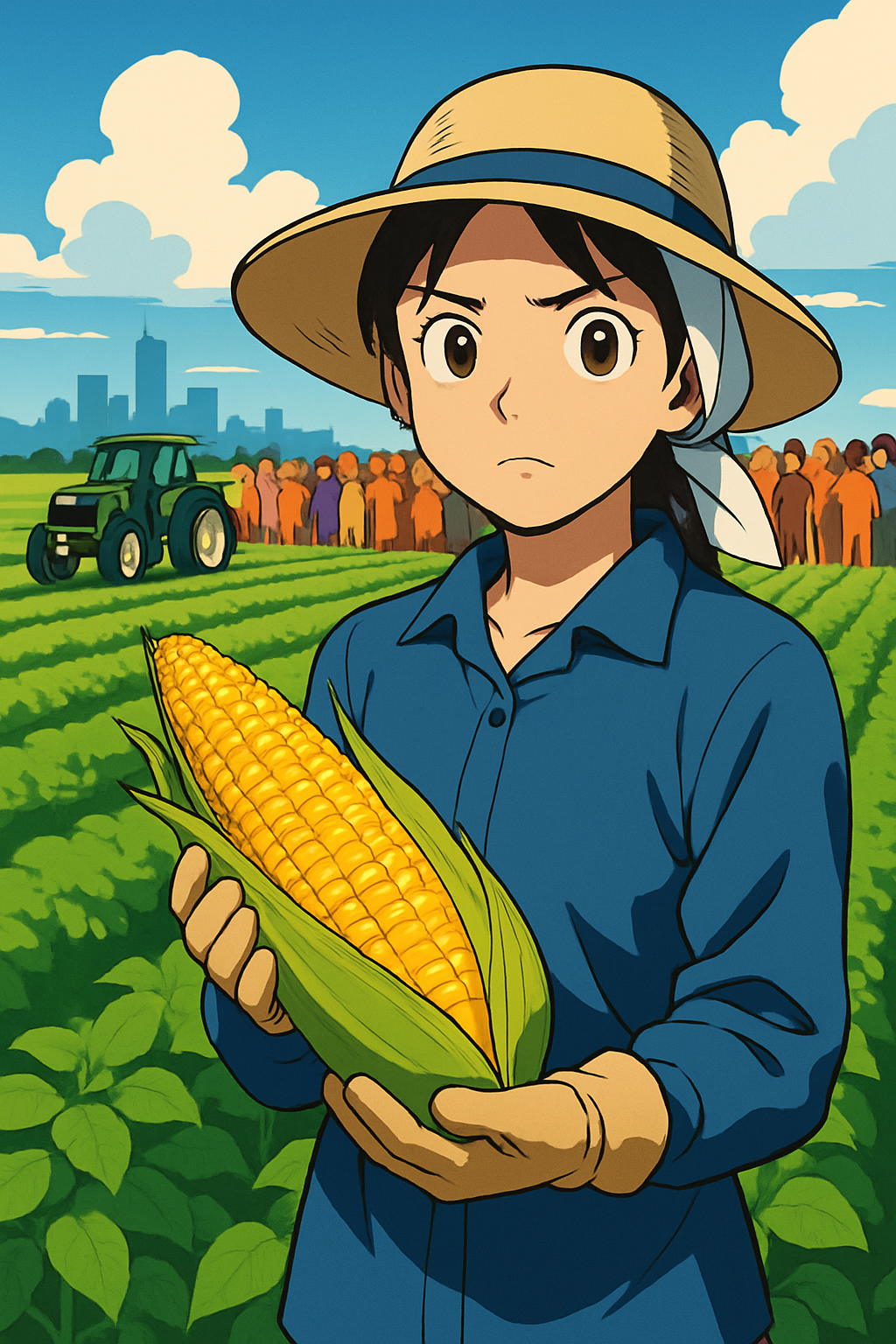
At sunrise, the fields outside San Isidro look much as they have for generations. Rows of maize stretch towards the hills, and irrigation channels carry water from a nearby reservoir. Yet the people who work this land know that familiar routines no longer guarantee a reliable harvest. Rain now arrives at unexpected times, heat lingers longer, and the cost of seed and fertiliser has risen. Food security—the ability of people to obtain enough safe, nutritious food—depends not only on what farms produce, but also on whether communities can withstand these pressures.
For years, agricultural policy often treated higher yields as the main answer to hunger. Improved seeds, machinery and chemical inputs did increase production in many regions. But a full market stall does not necessarily mean that everyone can afford a meal, and abundant crops can still be lost when roads are poor or storage is inadequate. In San Isidro, farmers once watched a sizeable portion of their tomatoes spoil before reaching the city. A cooperative eventually invested in a shared cooling room and organised deliveries, turning waste into income. The change did not create more food; it made existing food more accessible.
The next challenge is to produce reliably without exhausting the soil and water on which agriculture depends. Some local farmers have begun planting several crops together, including varieties that mature at different times. Others cover the soil with plant matter to retain moisture and reduce erosion. These methods cannot remove every risk, and they may require training or an initial investment. However, diversity can make a farm less vulnerable than a single crop grown across every field. Agricultural researchers are also developing crops that tolerate heat and drought, while communities are reviving traditional varieties suited to local conditions.
Technology has a role, too, but it is not a substitute for sound public decisions. Weather forecasts delivered by phone can help farmers choose when to sow, while digital markets may connect remote producers with buyers. Yet these tools are useful only when people can access them, understand the information and trust the systems behind them. Secure land rights, fair prices, functioning transport and support for small-scale farmers matter just as much. So do school meals and social programmes, which help households obtain nourishing food even when harvests fail or wages fall.
In San Isidro, the future of food security is being shaped through a series of modest choices: saving seeds, repairing channels, sharing equipment and planning storage before the next harvest. None offers a complete solution on its own. Together, however, they help connect production with affordability, nutrition and resilience. Feeding a growing population will require innovation, but also cooperation across farms, markets and governments. The measure of progress will not simply be how much food is grown, but whether people can count on a healthy meal without undermining the resources needed to produce one tomorrow.