The Quiet Architecture of Choice
405 words
When Mara entered the supermarket, she intended to buy coffee, bread, and nothing else. Yet at the checkout she found a jar of honey in her basket. It was not an impulse in the dramatic sense: no sudden craving had overcome her. The jar had been placed beside a display of warm-looking pastries, and a sign described it as “locally loved.” By the time she noticed it, the decision felt like her own.
Consumer psychology examines the small forces that influence decisions without necessarily determining them. Behavioural economists have shown that people do not weigh every option from scratch. Instead, they rely on mental shortcuts, or heuristics, which are often useful but can also lead to predictable errors. A familiar brand may seem safer simply because it is easy to recognise. A product marked as a bargain may appear attractive even when its original price was artificially high. In each case, context changes how value is perceived.
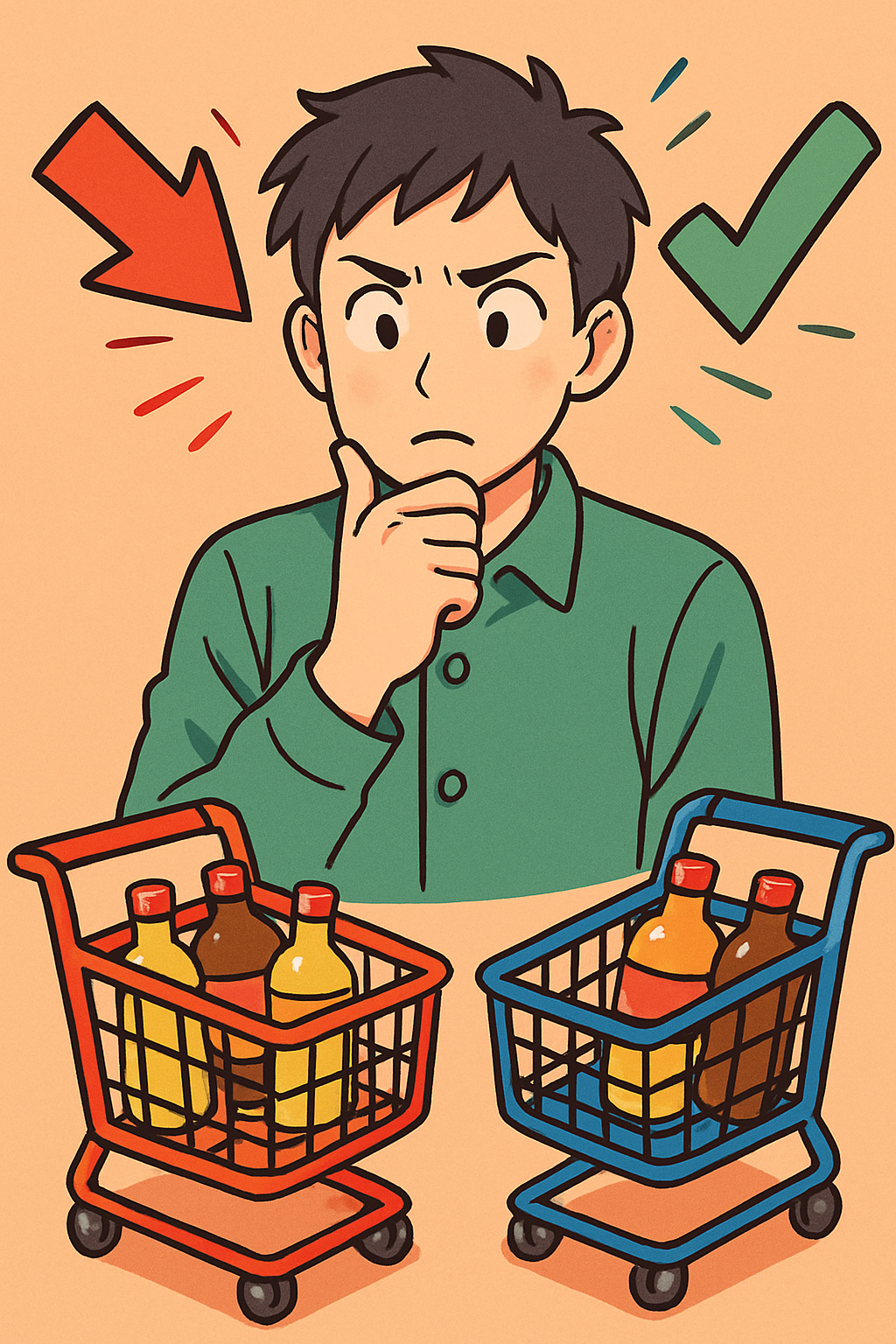
The way choices are presented matters, too. Researchers call this the framing effect: people may respond differently to the same information depending on its wording. A medical treatment described as having a “90 per cent survival rate” sounds more reassuring than one said to have a “10 per cent death rate,” although the figures are identical. In shops and online, similar techniques guide attention. Items placed at eye level receive more notice, while a pre-selected option can make doing nothing feel like an active choice.
These influences are sometimes used to make beneficial behaviour easier. A company might place healthy food near the entrance of a cafeteria, or a public agency might make pension contributions automatic while allowing people to opt out. Such design is often called a nudge. It preserves freedom, at least in principle, but it raises questions about who sets the default and whose interests that default serves. A gentle prompt can support people; it can also steer them towards decisions that mainly benefit a seller.
Mara later discovered that the honey was excellent, though she could not remember deciding to buy it. That small uncertainty stayed with her. Understanding consumer psychology does not require us to distrust every preference or resist every suggestion. It helps us notice when convenience, presentation, and social cues are doing part of the choosing. With that awareness, we can pause, compare the options, and decide whether a choice reflects what we value—or simply what was made easiest to see.