The Valley That Learned to Breathe Again
375 words
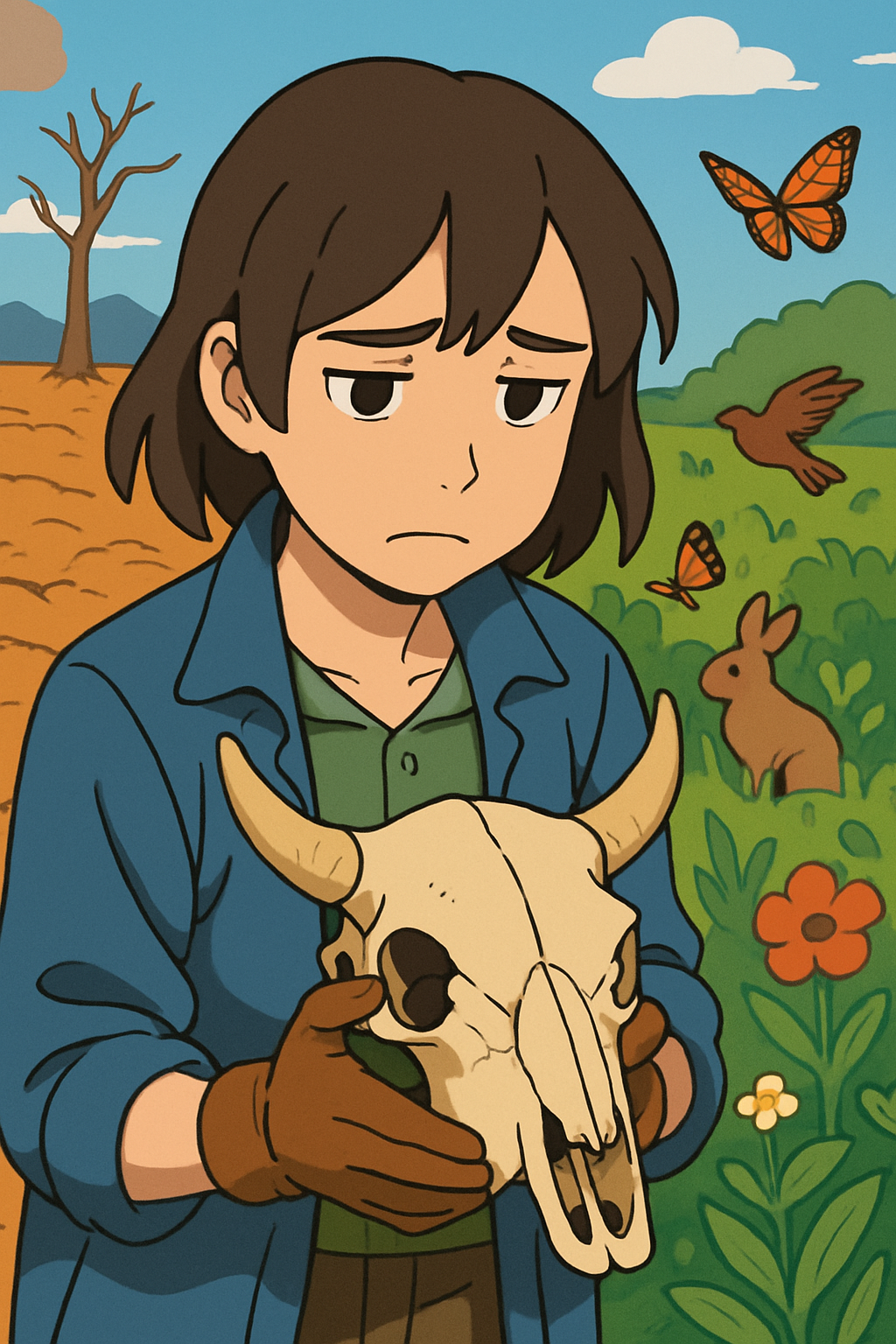
By the time the last wild beaver disappeared from Alder Valley, few residents noticed. The animals had once shaped the streams with dams and pools, but generations of trapping and farming had driven them out. Without their small, persistent engineering, rainwater rushed downhill, carrying soil into the river. Wet meadows dried, insects declined, and birds that depended on them grew scarce. Biodiversity loss rarely arrives as a single dramatic event. More often, it is a gradual thinning of relationships until a landscape looks familiar but functions poorly.
When a conservation group proposed restoring the valley, the plan sounded almost too simple: bring back beavers, remove several fences, and allow native plants to spread. Some farmers worried about flooded fields, while others doubted that a handful of animals could make a difference. The project team held meetings, mapped vulnerable land, and agreed to build protective barriers around key drainage channels. They also explained that rewilding did not mean abandoning the valley. It meant giving natural processes room to operate while working with the people who lived there.
The first beavers arrived in wooden transport crates, blinking in the unfamiliar light. At first, their presence seemed insignificant. Then the animals began cutting willow branches and building dams across narrow streams. Water slowed and spilled into shallow ponds. Within a few seasons, plants recolonised muddy banks, frogs appeared in the pools, and dragonflies hovered above the reeds. The wetlands held more water after heavy rain and released it gradually during dry spells. A nearby farmer, once sceptical, found that the protected fields suffered less damage from sudden floods.
The recovery was neither complete nor effortless. A rare meadow flower did not return, and some fish struggled where water warmed during dry summers. Conservationists adjusted their plans, monitoring the river and planting trees along exposed banks. Their work showed that restoring one species cannot reverse every consequence of habitat loss, climate change, or pollution. Yet it can revive connections that benefit many others. Alder Valley became a living demonstration of how fragile ecosystems may recover when pressure is reduced and natural relationships are allowed to rebuild. Its lesson was not that people should disappear from the landscape, but that human choices can either simplify nature or help it flourish.