The Work Behind the Red Curtain
407 words
When the city museum announced that it would display a sculpture made from discarded advertising signs, the response was immediate. The piece showed a bright, smiling face assembled from fragments of slogans: promises of beauty, security, and success. Across its forehead, the artist had placed the words “BUY YOUR WAY OUT.” Some visitors called it a sharp portrait of consumer culture. Others said it mocked the people who could least afford to be mocked. Before the exhibition opened, the museum received hundreds of complaints.
The director, Mara, had expected disagreement. What she had not expected was the city council’s demand that the sculpture be removed from public view. Officials argued that the work was offensive and might damage the museum’s reputation. Mara faced an uncomfortable choice: comply, or defend the museum’s independence while risking its funding. She invited the artist, local residents, and critics to a public meeting. The discussion was tense. One resident described how advertising had followed her family into every corner of their neighbourhood, while another said the sculpture reduced ordinary people to gullible consumers. The artist listened, then admitted that the piece had begun as a joke but had grown more serious as he worked.
The museum eventually kept the sculpture, though it moved it from the entrance to a room beside an exhibition about the history of advertising. A notice explained the artist’s intentions and included several criticisms raised at the meeting. The decision pleased no one completely. Some visitors felt the museum had softened the work; others believed it had given a provocative object an undeserved platform. Yet the argument changed how people encountered the sculpture. They began to look not only at its slogans, but also at the choices involved in making, displaying, and interpreting it.
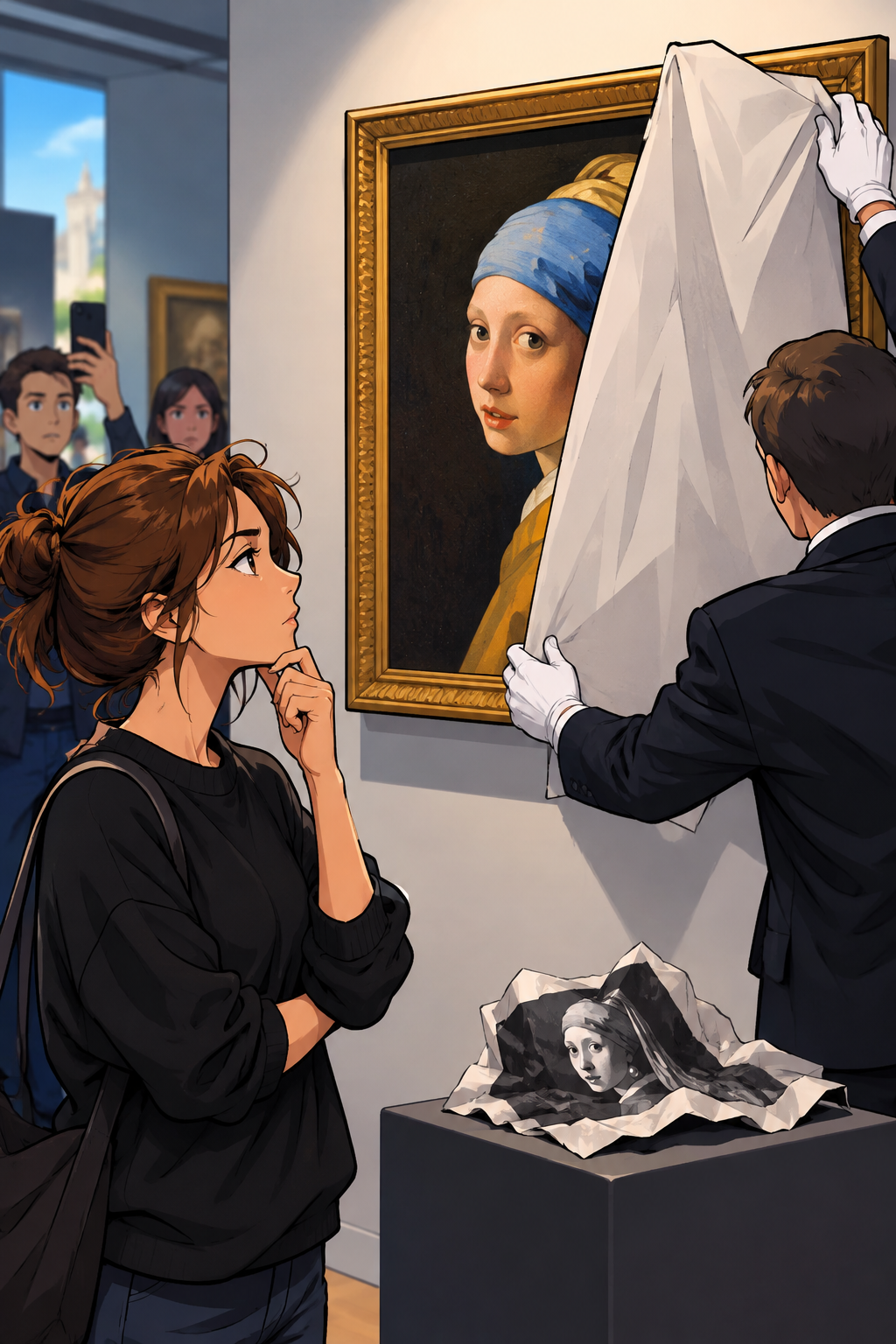
Controversial art is often treated as a test with a simple answer: protect it or remove it. In practice, the more valuable question may be what a society learns by facing the disagreement. Artistic freedom does not make every work wise or beyond criticism, and criticism need not amount to censorship. A museum cannot guarantee that art will be fair, persuasive, or even good. It can, however, create space for difficult work to be examined rather than silenced. The red curtain that once covered the sculpture was taken down on opening day. It remained folded in a corner, a reminder that hiding an artwork may quiet a room without resolving the argument behind it.