More Than a Year Away: Volunteering Abroad
336 words
When Lina finished school, she planned to spend three months volunteering at a wildlife centre in Costa Rica. She imagined that every day would bring a dramatic rescue. Instead, her first week involved washing bowls, recording animal movements and learning how to clean equipment safely. The work was not exciting, but the centre’s manager explained that careful records helped staff understand which habitats needed protection. Lina began to see that useful change often depended on small, repeated tasks.
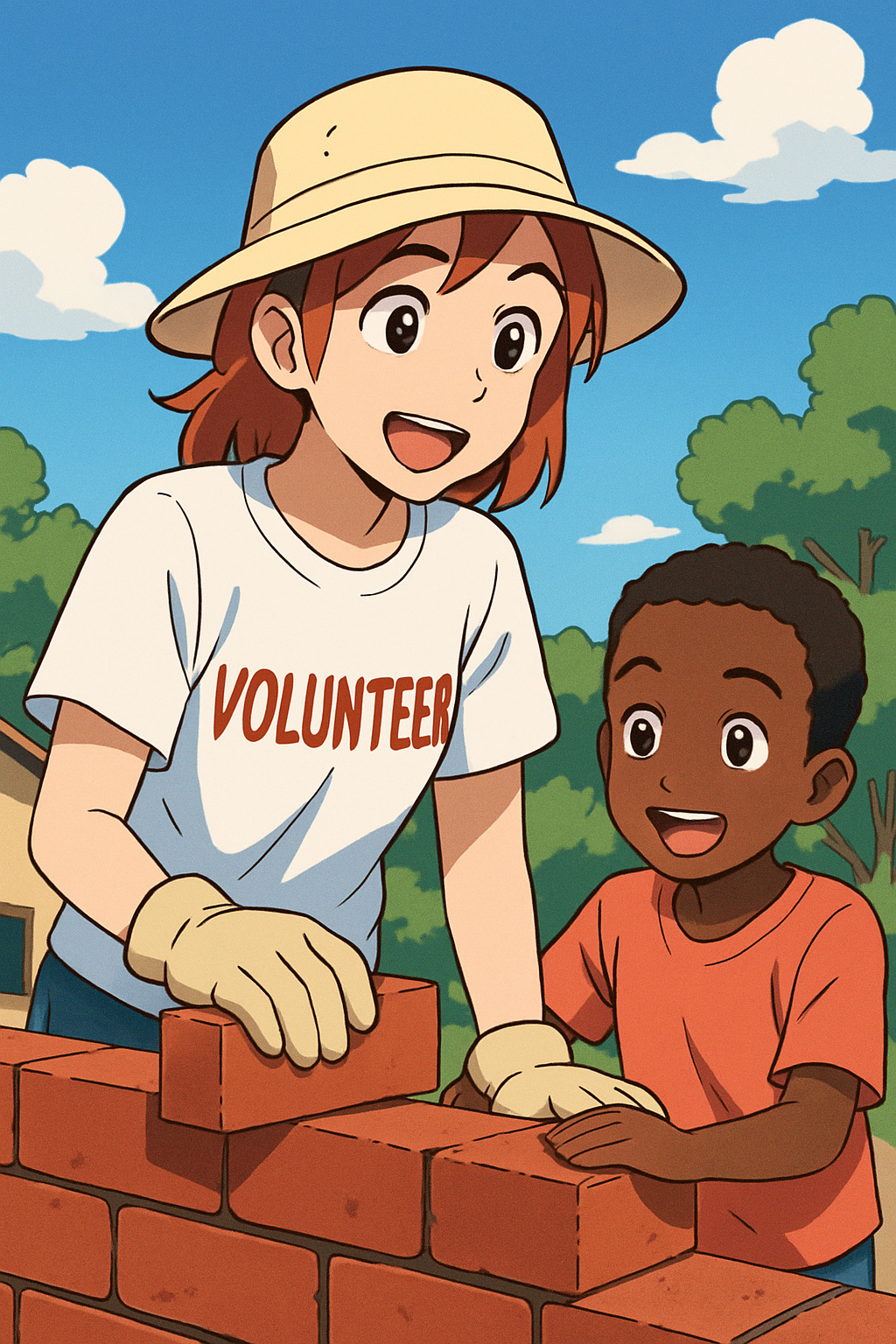
Many young people take a gap year to join aid projects, teach, or support conservation work. These experiences can build confidence and introduce volunteers to new cultures. However, good intentions do not automatically lead to good results. A project may create problems if visitors take work away from local people, arrive without useful skills, or leave before a community can continue the work. Responsible organizations discuss local needs with residents and make plans that last beyond the volunteers’ stay.
At the wildlife centre, Lina worked alongside local staff rather than replacing them. She helped prepare a simple guide in English and Spanish for visitors, while her colleagues decided what information it should include. She also learned that the centre’s biggest challenge was not caring for individual animals, but protecting the forest where they lived. The team spent several days helping nearby schools prepare nature activities. Lina’s contribution was modest, yet it supported work that local educators could continue after she left.
Before going abroad, volunteers can ask who designed the project, what training is provided, and how its impact is measured. They should also think about costs: a long journey and program fees may be better spent supporting a locally led organization directly. Volunteering can still be a valuable part of a gap year, especially when visitors listen, learn, and accept ordinary responsibilities. Lina returned home with fewer dramatic stories than she had expected, but with a clearer understanding of what meaningful help looks like: not arriving as a hero, but joining work that belongs to the community.