Learning Beyond the Exam Hall
300 words
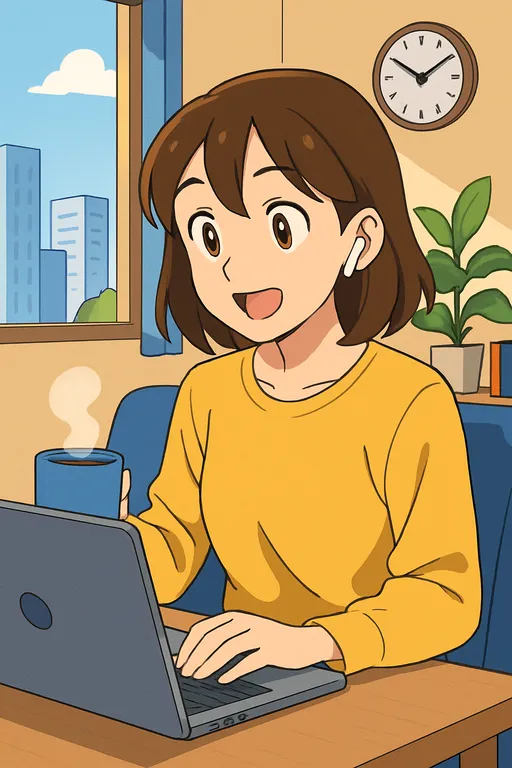
When Maya finished secondary school, she felt relieved to have completed her final exams, but she was unsure what to do next. Her results were good enough for university, yet she had never enjoyed learning only to remember facts for a test. During a visit to her cousin, she heard about a small alternative school where students worked on projects, discussed local issues and planned their own studies with teachers.
Maya decided to spend a term there before choosing a university course. In one project, her group studied why a nearby river had become polluted. They interviewed residents, read scientific reports and presented their findings to the town council. There were still tests, but they were only one way to show progress. Teachers also considered research skills, teamwork and how well students explained their ideas. Maya found the work demanding, though she felt more responsible for what she learned.
The experience did not make her reject traditional schools. She understood that exams can offer a clear way to measure certain skills and help students prepare for professional qualifications. However, a single result may not show a person’s creativity, patience or ability to solve unfamiliar problems. She began to see education as a system that could use several methods, rather than forcing every learner to follow exactly the same path.
Years later, Maya became an engineer. She continued taking short courses whenever new technology changed her work. Some lessons took place in classrooms, while others were online or learned directly from colleagues. She sometimes studied for a formal certificate, but often she simply wanted to understand a new tool. For Maya, education had not ended with graduation. Exams had opened one door, the alternative school had helped her discover how she learned best, and lifelong learning kept new doors within reach.