Climate Change: Causes, Effects, and Practical Responses
314 words
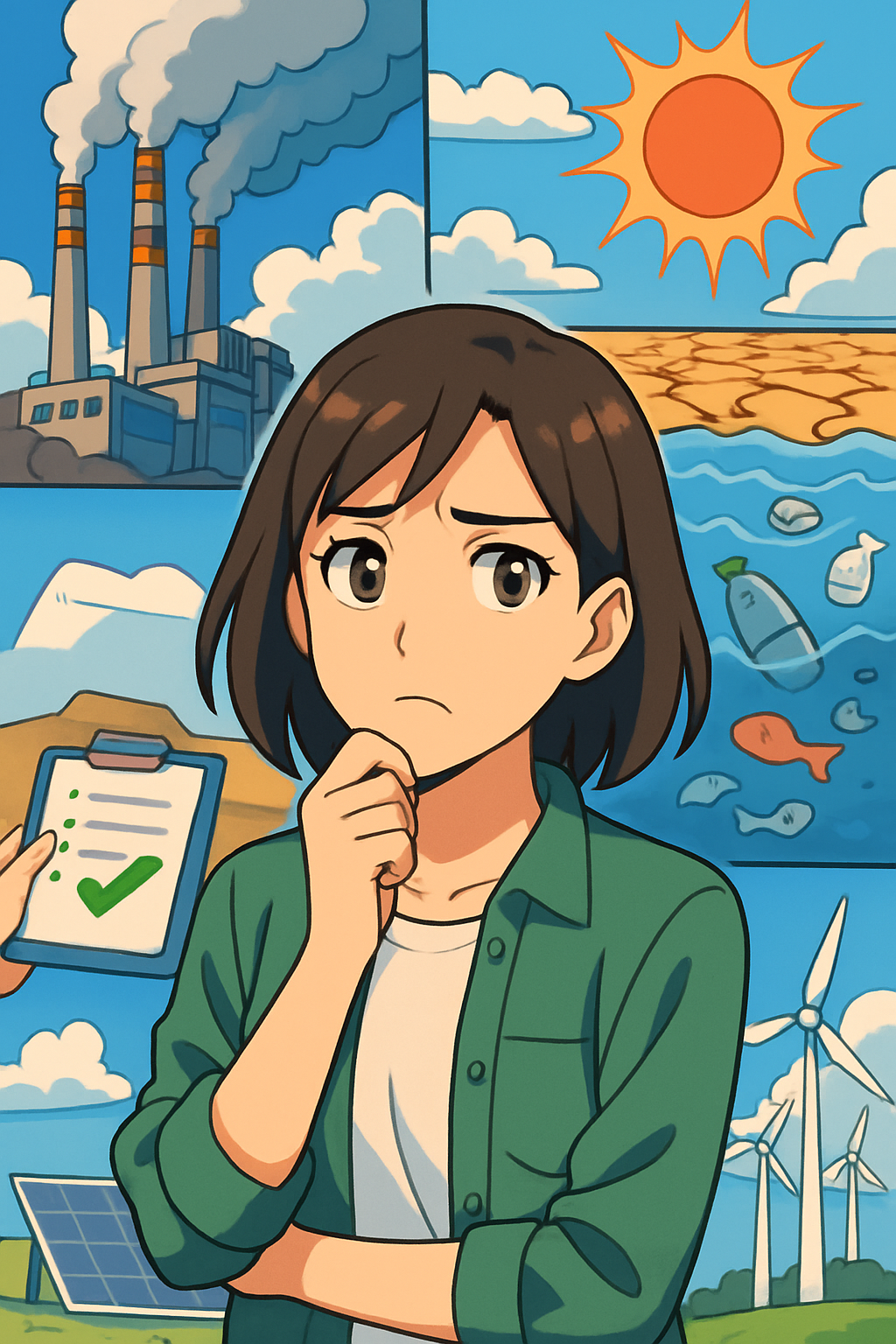
Climate change means long-term shifts in temperatures and weather patterns. These changes can happen naturally, but the rapid warming measured since the industrial age is mainly caused by human activity. Burning coal, oil, and gas for electricity, transport, and heating releases carbon dioxide. Farming and waste also produce greenhouse gases, including methane. These gases collect in the atmosphere and trap more heat, like an extra blanket around the planet.
The effects are already visible. Many regions experience hotter days and longer heatwaves, while some places face heavier rainfall and flooding. Other areas suffer from drought, which can damage crops and reduce the supply of clean water. Warmer oceans and melting ice contribute to rising sea levels, putting coastal communities at risk. Changes in temperature can also disturb natural habitats, making it harder for some plants and animals to survive. These impacts do not affect everyone equally: people with fewer resources often have less protection and fewer options for moving or rebuilding.
Governments can reduce the causes of climate change by supporting clean energy, improving public transport, and setting standards that make buildings and vehicles more efficient. They can also protect forests, which absorb carbon dioxide, and help communities prepare for floods, fires, and extreme heat. International cooperation matters because greenhouse gases cross national borders. Plans work best when they are fair, practical, and supported by reliable information.
Individuals can contribute too. Using buses, trains, bicycles, or walking for some journeys can reduce pollution. Saving energy at home, choosing durable products, and wasting less food also help. No single choice will solve the problem, and responsibility should not fall only on individuals. Businesses and governments make decisions on a much larger scale. Still, public support for effective policies can encourage leaders to act. Climate change is a serious challenge, but reducing emissions and preparing for its effects can protect communities and create a healthier future.