A Greener Plan for City Life
318 words
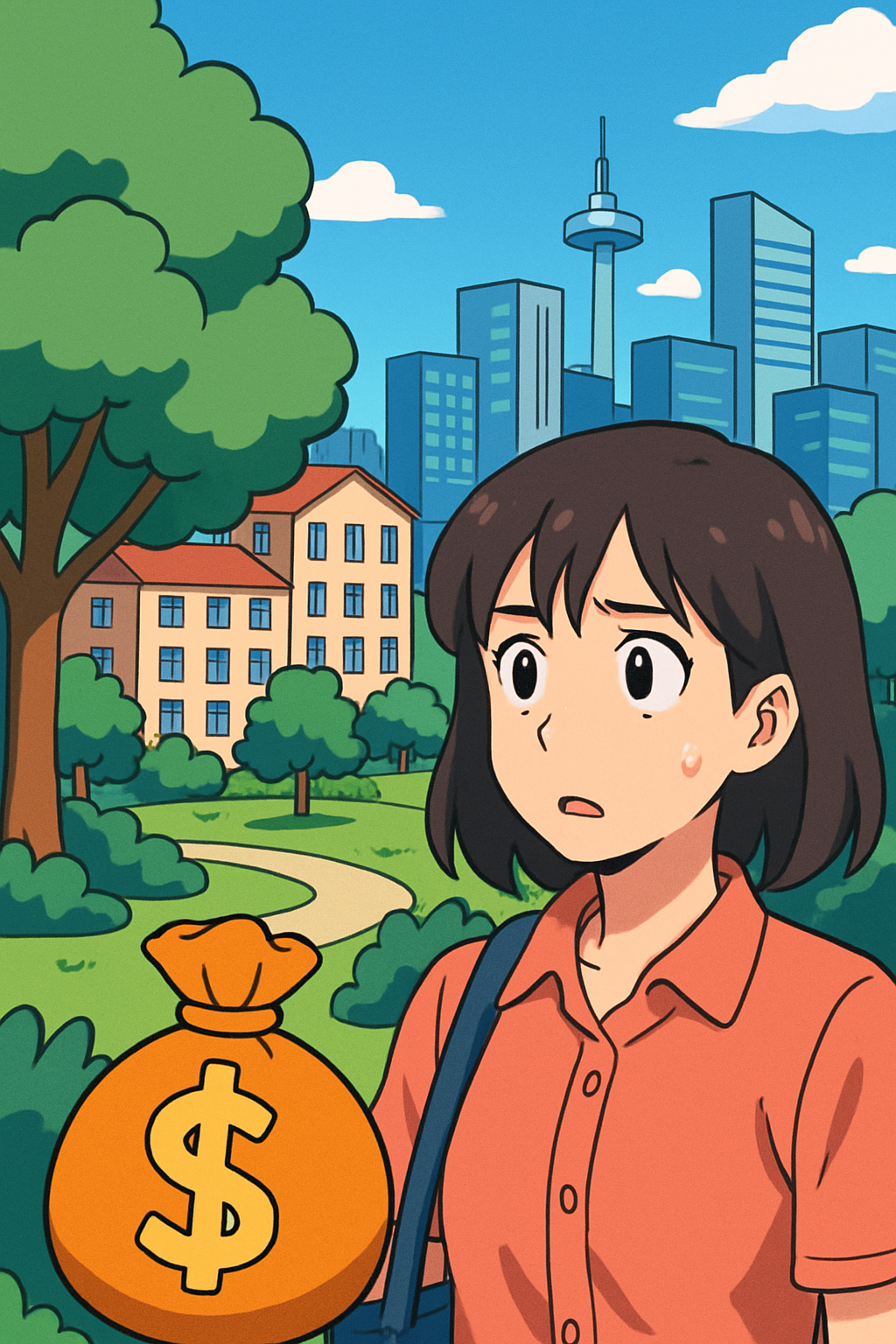
When Maya moved to the city for work, she expected busy streets and small apartments. She did not expect how difficult it would be to find a place she could afford. After weeks of searching, she rented a room far from her office. The journey took nearly an hour, and there was no park nearby where she could relax after work.
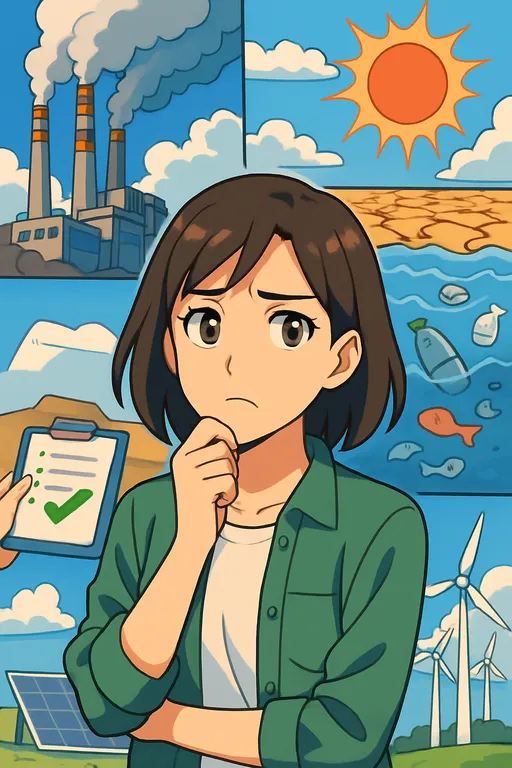
The city council had begun a new planning project to address problems like these. Its plan included building more homes near public transport, protecting existing parks, and turning empty areas into green spaces. A local library hosted meetings where residents could share ideas. Maya attended one evening and heard a range of views. Some people wanted more housing quickly, while others worried that new buildings might make the neighbourhood less welcoming or push up rents.
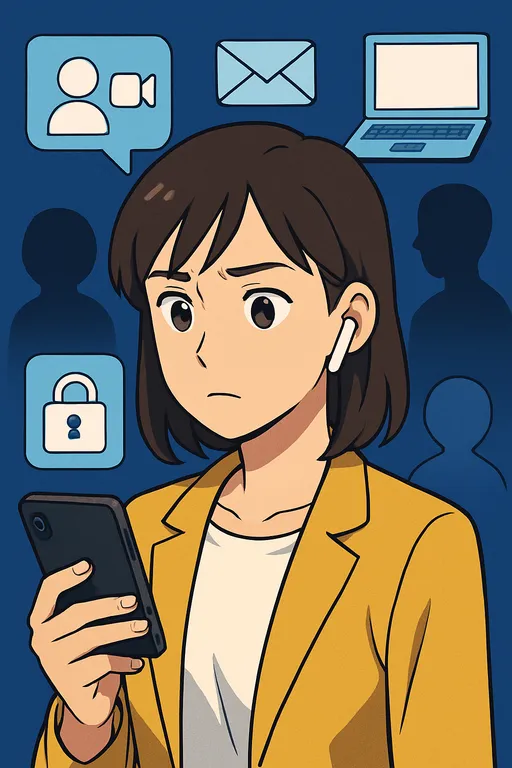
The planners also described how technology could help. Sensors would measure traffic and air quality, allowing the city to adjust traffic lights and identify streets with pollution problems. A digital service would show residents when buses were arriving and where public facilities were available. However, a student at the meeting warned that smart systems should not collect more personal information than necessary. The council agreed to publish clear rules about how its data would be used.
Over the next two years, an unused car park became a small garden with trees, benches, and a play area. New apartments were built nearby, including some offered at lower rents. The changes did not solve every problem: demand for housing remained high, and the garden could not replace a large park. Still, Maya began cycling to work along a safer route and often spent her lunch break among the trees. The project showed that good planning is not only about buildings or technology. It works best when cities make room for nature, consider what residents can afford, and listen to the people who live there.