Getting Around Tomorrow
342 words
On a rainy Monday morning, Maya stood at a transport hub on the edge of her city. A row of electric buses waited quietly beside charging stations, while a high-speed train prepared to leave for the coast. Above them, a screen showed the arrival times of buses, trains and shared cars. The system was designed to help people choose the quickest and cleanest way to travel.
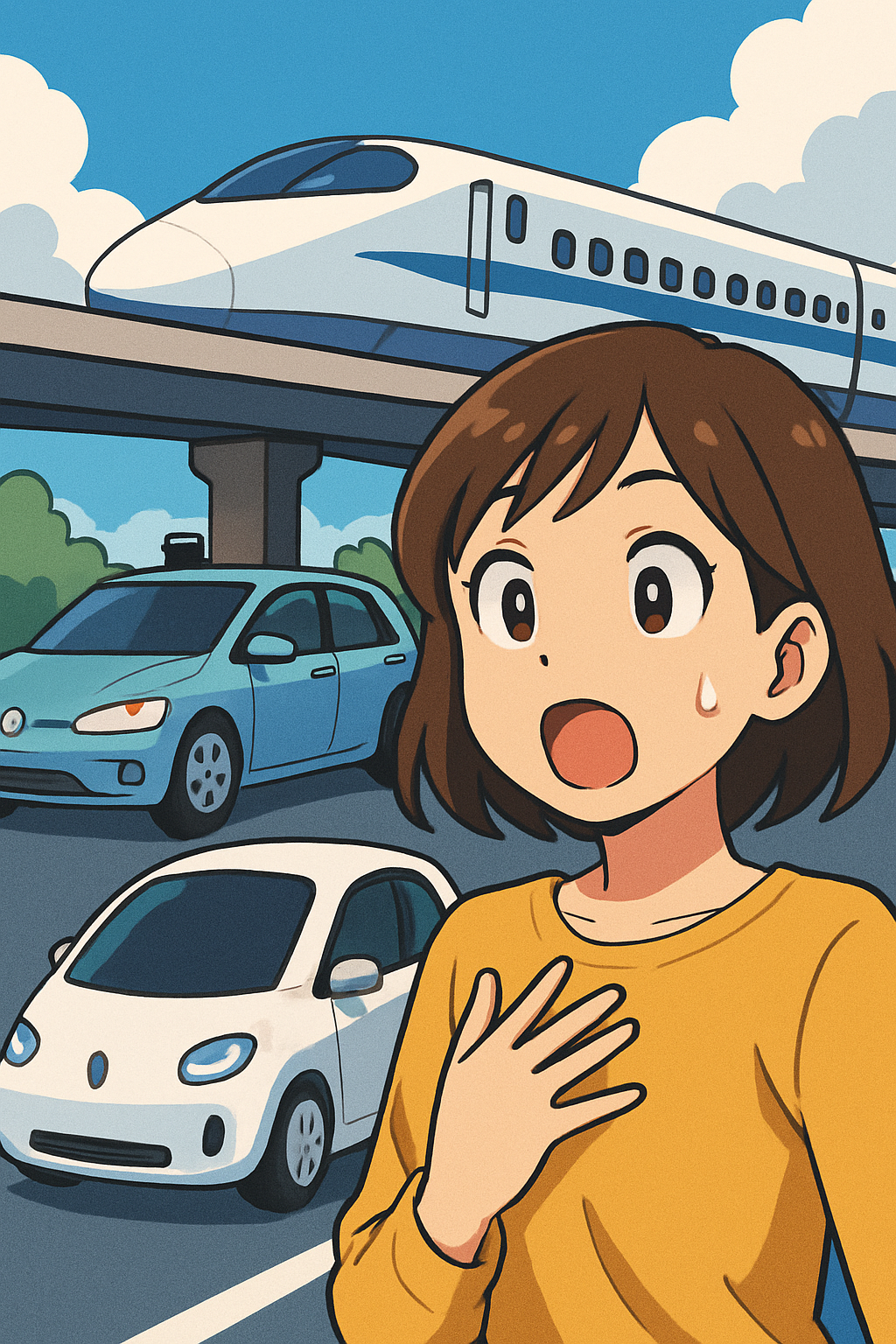
Maya booked a self-driving electric car through an app. When it arrived, she checked its route on the screen and climbed inside. The car moved smoothly through traffic, stopping for pedestrians and changing its speed when the road became crowded. Maya used the journey to prepare for a meeting, but she still watched the road. She knew that the technology could make mistakes, and that human support would remain important, especially in difficult weather or unfamiliar places.
At the station, Maya boarded a high-speed train. It crossed the countryside at great speed, connecting towns that once seemed far apart. For many travellers, rail was more comfortable than driving and produced fewer emissions per passenger than a car or plane. However, building new lines required money, space and careful planning. Local communities wanted faster connections, but they also needed protection for homes, farms and natural areas.
By the time Maya reached the city centre, she had used three forms of transport without buying a ticket for each one. A single payment had covered the whole trip. This kind of connected system could make travel simpler, but it would only work well if services were reliable and affordable. People in rural areas, older passengers and those without smartphones also needed practical choices.
The future of transport will not be shaped by one invention alone. Electric vehicles can reduce pollution where electricity is clean, self-driving systems may improve safety, and high-speed rail can link distant communities. Yet better transport depends on thoughtful decisions about energy, public access and the design of cities. The most useful journeys of tomorrow may combine several technologies while keeping people’s needs at the centre.