The Past in the Present: A Century of Change
348 words
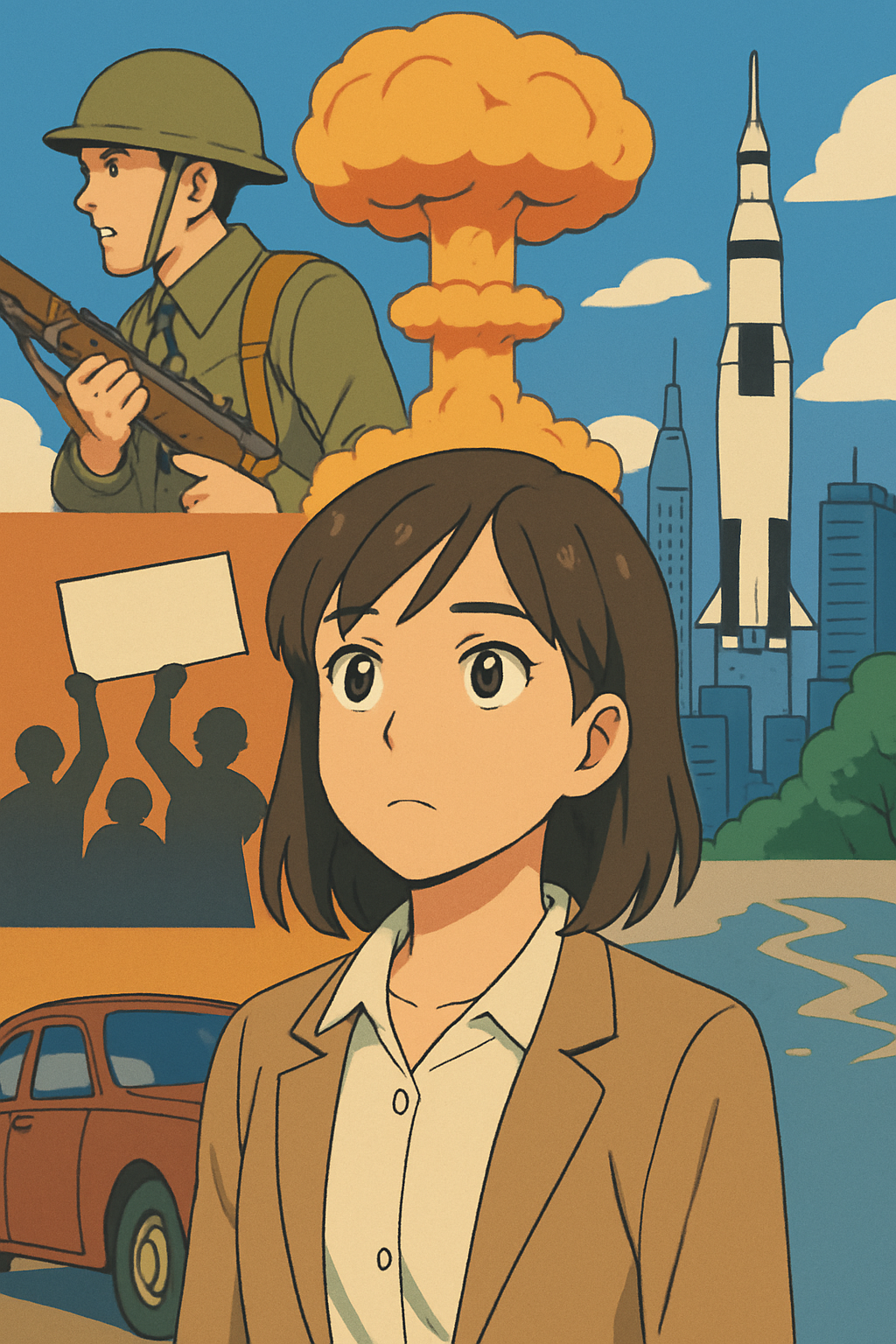
A century ago, much of the world was still recovering from the First World War. The conflict had redrawn borders and weakened old empires, while new political movements promised a different future. Yet peace proved fragile. In 1939, another world war began, bringing destruction on an even larger scale. Its end in 1945 left cities in ruins and millions of people displaced. It also led to the creation of the United Nations, an organization designed to help countries settle disagreements and work together.
After the war, the United States and the Soviet Union became rival superpowers. Their competition, known as the Cold War, shaped politics for decades. Although the two countries never fought a full war against each other, they built huge weapons, supported opposing sides in conflicts elsewhere, and competed in science and space exploration. In 1969, American astronauts walked on the Moon, a striking symbol of what technology and public investment could achieve. The Cold War ended around 1991, but its alliances and political divisions still influence international relations.
The same period brought powerful movements for greater freedom and equality. Across Africa and Asia, many countries gained independence from European empires. In the United States and elsewhere, civil rights campaigns challenged laws and customs that discriminated against people because of their race. These struggles did not solve every injustice, but they changed laws and expanded public ideas about who should have a voice in society. Their legacy can be seen in continuing debates about equal treatment, representation, and human rights.
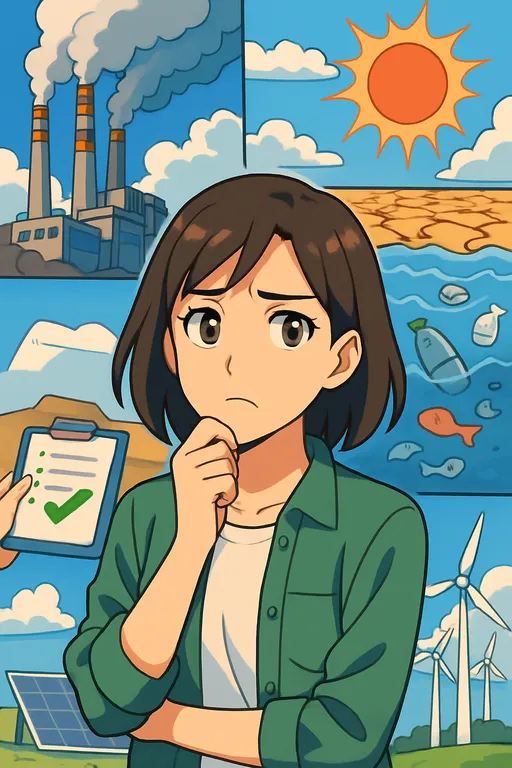
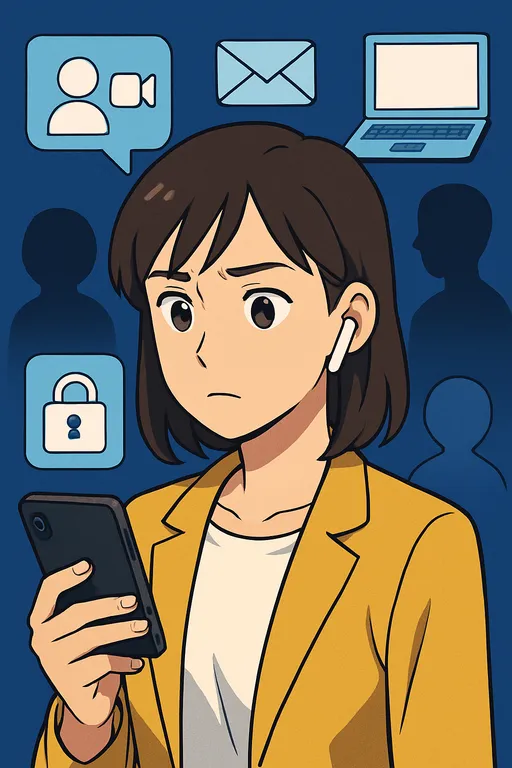
More recently, the spread of the internet has transformed how people communicate, learn, and do business. Information can now cross the world in seconds, creating opportunities but also making it easier for false claims to spread. Meanwhile, evidence of climate change has pushed governments and communities to reconsider energy, transport, and the use of natural resources. These changes show that history is not simply a record of events that have ended. Decisions made in the past shape the choices people face today, while actions taken now will become part of the history of the next century.