Globalisation: A Connected World with Complicated Choices
376 words
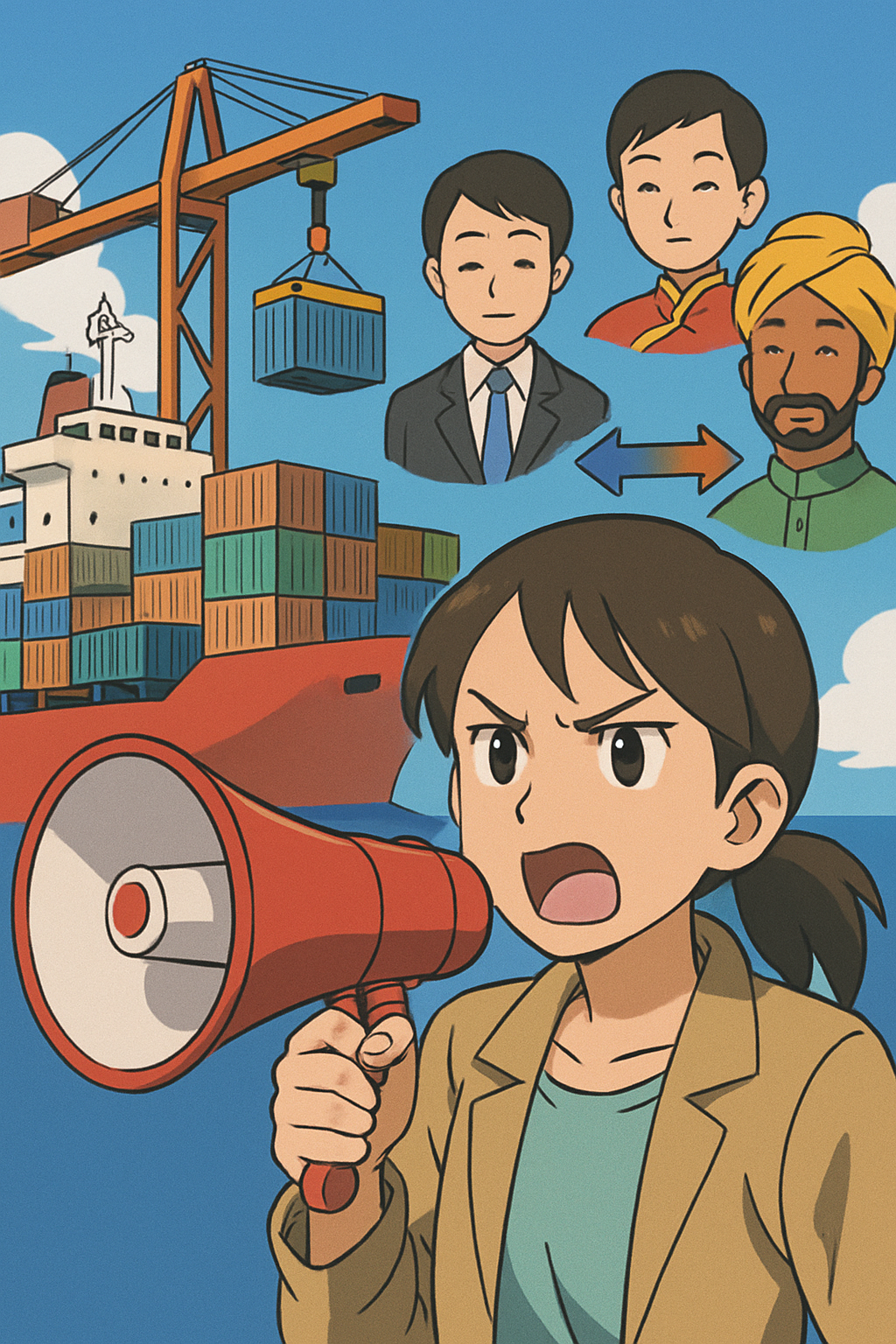
When a storm closed the harbour in the small coastal town of Bellport, Maya’s café quickly ran out of coffee beans. Her usual supplier imported them from Colombia, and the ships carrying the next delivery could not leave port. For a few days, customers chose tea instead. The problem reminded Maya that even a local business can depend on events happening thousands of kilometres away.
Globalisation describes the growing connections between countries through trade, travel, technology and the exchange of ideas. A phone may be designed in one country, assembled in another and sold across the world. These links give people access to products that may be cheaper or unavailable at home. They also help businesses find new customers, and allow workers, students and artists to share skills and experiences across borders.
Cultural exchange can make everyday life richer. Bellport’s annual food festival, for example, began as a small event but now features dishes brought by families with roots in many parts of the world. Local cooks have learned new techniques, while visitors have discovered ingredients from nearby farms. Yet cultural influence does not always feel like a fair exchange. Some people worry that international brands and popular media can push aside local languages, crafts and traditions, especially when smaller communities have fewer resources to promote them.
Critics also point to the costs of global trade. Companies may move production to places where wages are lower, and workers there may face poor conditions. Long-distance transport can create pollution, while a disruption in one region can affect shops far away, as Maya discovered. Supporters argue that trade can create jobs and lower prices, but critics say its benefits are not shared equally. Both sides raise important questions about who gains, who pays and who gets to make the rules.
After the harbour reopened, Maya looked for a local roaster who could supply some of her coffee. She kept buying beans from abroad, but she also began telling customers where they came from and what the farmers were paid. Globalisation is not simply good or bad; it is a set of choices that connects people. Understanding those choices can help communities enjoy the benefits of connection while asking for fairer work, stronger local culture and more responsible trade.