A Different Kind of Shopping
301 words
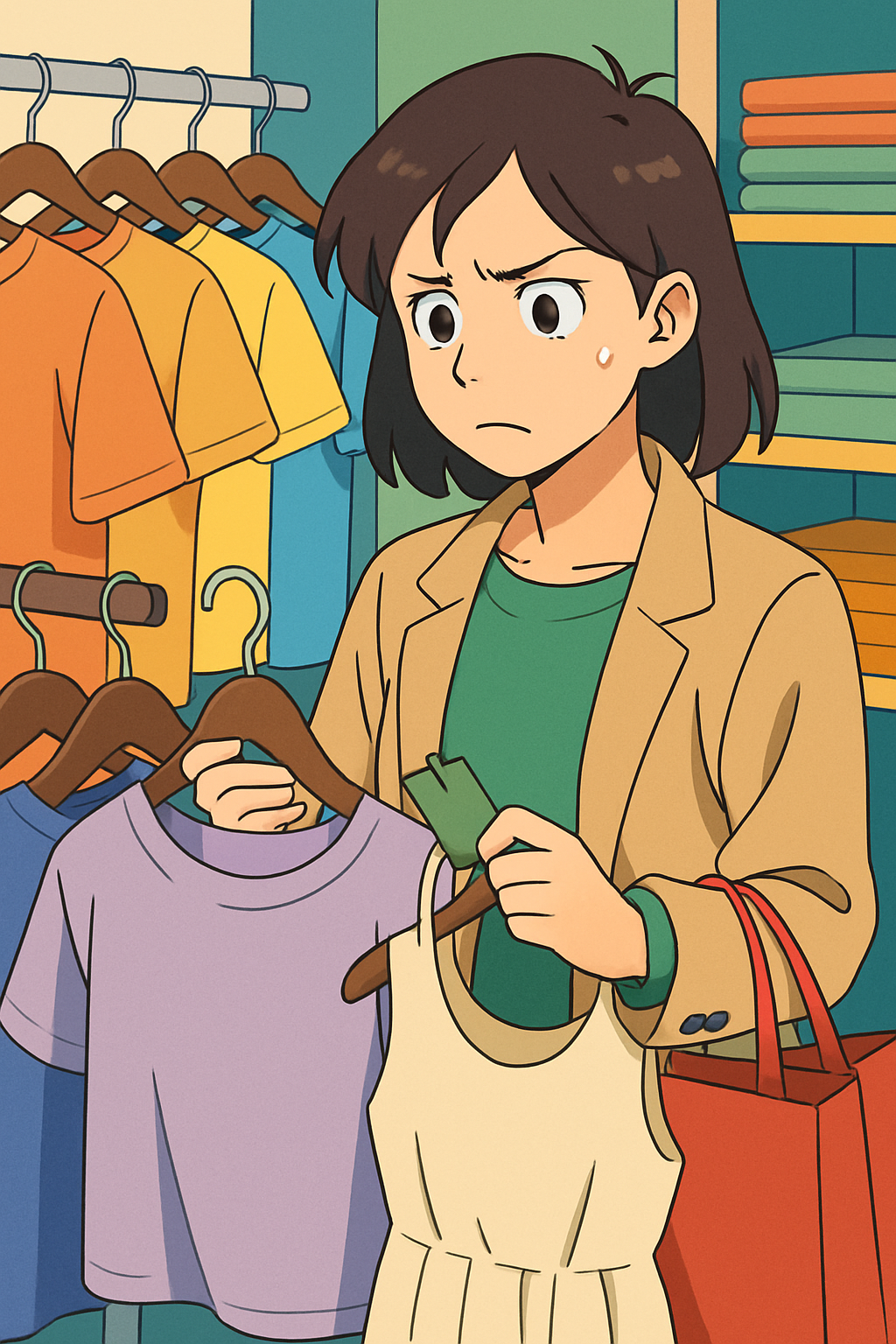
On Saturday morning, Maya entered a busy shopping street with a clear plan: she needed a jacket for the colder months. Bright signs promised huge discounts, and shop windows displayed new styles every few weeks. At first, the choice felt exciting. But as she picked up one jacket after another, she began to wonder why so many clothes were being sold so cheaply and replaced so quickly.
Later, Maya met her friend Leo at a café. He explained that fast fashion makes it possible to buy trendy clothes at low prices, but it can also have serious costs. Producing large amounts of clothing uses water, energy, and raw materials. Workers may face low pay or unsafe conditions, while unwanted items often end up in landfill. A low price in a shop, Leo said, does not always mean that a product is inexpensive for society or the environment.
Maya went home without buying a jacket. Instead, she checked the clothes she already owned and found an older coat that only needed a new button. She repaired it and wore it the following week. The experience changed how she thought about shopping. She did not decide to stop buying new things altogether; she decided to make each purchase more carefully. Now she asks herself whether she will use an item often, whether it is well made, and whether she can repair or reuse it.
Conscious consumption does not require perfect choices. People have different budgets, needs, and access to shops. Still, small decisions can matter: buying second-hand, choosing durable products, sharing items, or simply waiting before making an impulse purchase. These habits can reduce waste and help consumers notice the impact of their choices. For Maya, shopping became less about following every new trend and more about finding useful things that would last.