Animal Rights in a Changing World
335 words
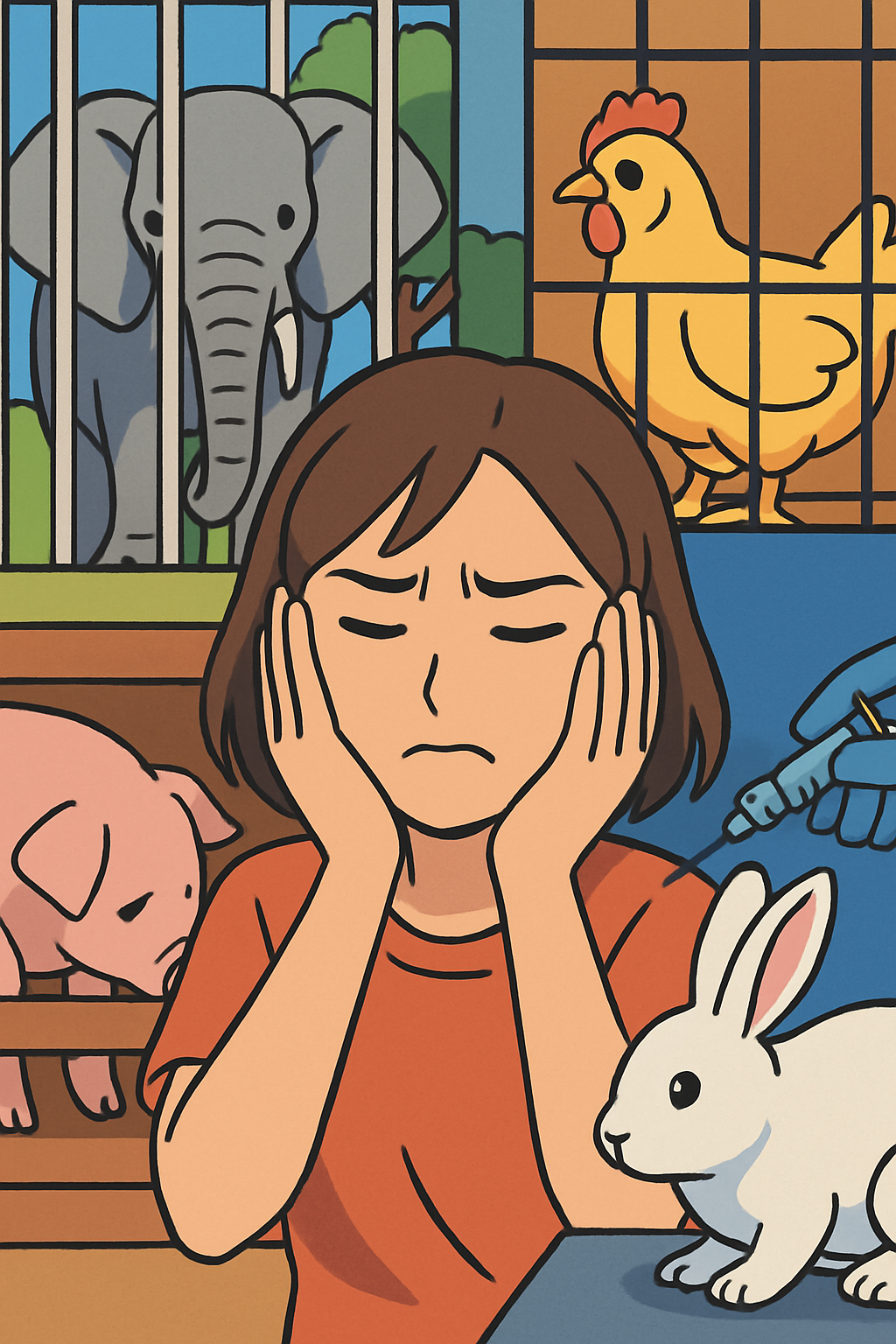
Animal rights is the idea that animals deserve protection from unnecessary suffering. People may disagree about what this means in practice, but the debate often focuses on three areas: zoos, farming, and scientific research. In each case, society must consider both human needs and the lives of animals.
Zoos have changed considerably. In the past, many mainly displayed animals for entertainment, often in small enclosures. Today, some zoos support conservation projects, care for endangered species, and teach visitors about wildlife. However, critics argue that even a well-designed enclosure cannot give a large, intelligent animal the freedom it would have in nature. Zoos therefore face a difficult question: does their contribution to conservation justify keeping animals in captivity?
Farming raises another set of concerns. Animals provide people with food, but crowded conditions can prevent them from moving freely or behaving naturally. Some farmers are improving housing, providing outdoor space, and reducing painful procedures. These changes may increase the cost of food, so governments and consumers also influence what standards are possible. Choosing products from higher-welfare farms can encourage better treatment, though such choices are not affordable for everyone.
Animals are also used in research to study diseases and test treatments. In some cases, this work has helped scientists understand serious illnesses. Yet animals may experience pain, stress, or lasting harm, and results from animal studies do not always predict what will happen in humans. Researchers can sometimes use alternatives, such as computer models or human cell cultures, or reduce the number of animals involved. Many scientists and campaigners support the principle of replacing animal use where possible, reducing it when replacement is not yet practical, and improving animals’ care.
There is no single answer that resolves every conflict. Progress often comes through careful laws, transparent research, and public discussion. As alternatives develop and knowledge grows, people can ask whether familiar practices are still necessary and how suffering can be reduced. The debate about animal rights is ultimately about the responsibilities humans have toward other living creatures.