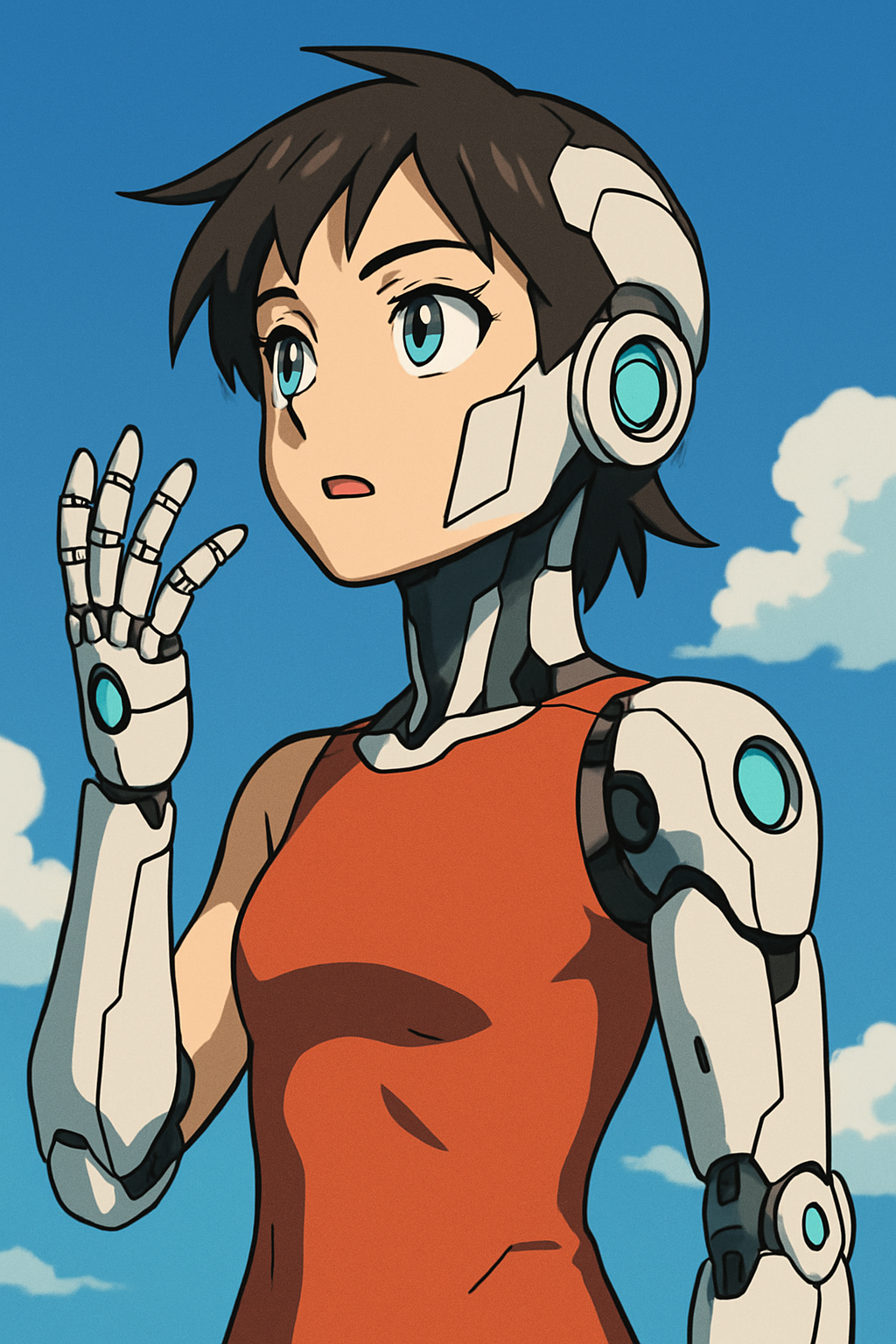
The Unfinished Human
457 words
When Mara was offered a neural implant, the decision seemed at first to concern convenience. The device could translate unfamiliar languages in real time, retrieve remembered details, and quiet the tremor that had begun to trouble her hands. Yet the clinic’s brochure made a larger promise: enhancement, it said, was not merely a remedy for illness but an invitation to become more than human. Mara found the phrase less exhilarating than unsettling. It implied that humanity was a defect awaiting correction.
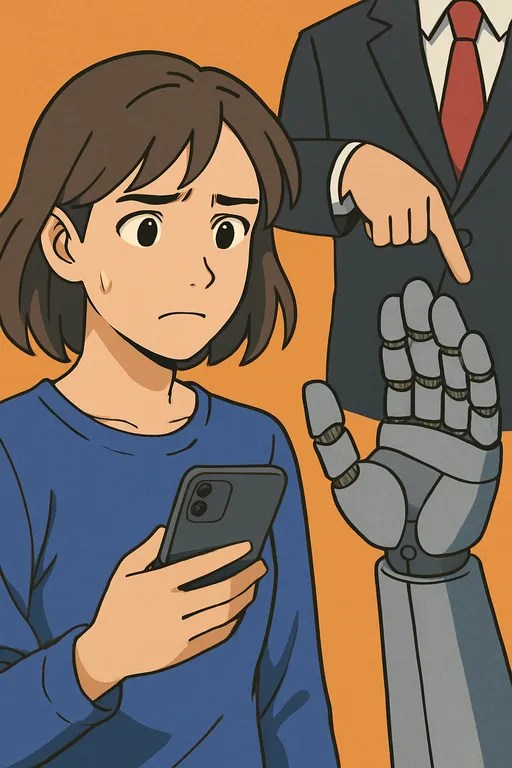
Her brother, Ivo, welcomed the prospect. He had spent years building prosthetic limbs that responded to faint muscular signals, and he considered the boundary between repair and enhancement largely arbitrary. A prosthesis might restore a lost capacity, he argued, while a more powerful one could give its wearer capabilities no uninjured person possessed. Both altered the body; only habit made one seem natural. If technology could reduce suffering or widen a person’s possibilities, refusing it in the name of purity struck him as a peculiar form of nostalgia.
Mara’s hesitation was not a rejection of technology. She wondered instead who would decide which capacities deserved improvement. The implant could sharpen attention, but its designers had trained it to prioritise information judged useful by employers. Its translation system favoured major languages, while smaller ones appeared only as rough approximations. Enhancement, she began to see, did not arrive as a neutral gift. It carried the assumptions of its makers and the interests of those able to buy it. A society that celebrated augmented concentration might quietly come to regard unaugmented minds as irresponsible or inadequate.
At the public hearing, speakers argued over whether such devices would divide people into biological and technologically modified classes. Ivo described the daily independence his prostheses had given their users. A teacher spoke of students whose implants helped them navigate crowded classrooms, but also of the pressure to disclose their diagnoses. Mara listened, struck by how easily a language of freedom could become a language of obligation. The right to enhance oneself might gradually become an expectation to do so, especially where employers, schools, or insurers gained from the results.
That evening, she accepted the implant, but only under conditions: she would control what it recorded, decide when it was active, and retain the ability to remove it. The choice did not settle the larger argument. It made the argument intimate. Posthumanism, she realised, was not simply a forecast of bodies fused with machines or minds extended by code. It was a challenge to inherited ideas about nature, identity, and human limits. The future would be shaped not only by what people could become, but by who had the power to define improvement—and whether those who chose to remain unchanged could still belong.