
The Boundary of Care: Bioethics at the Limits of Medicine
468 words
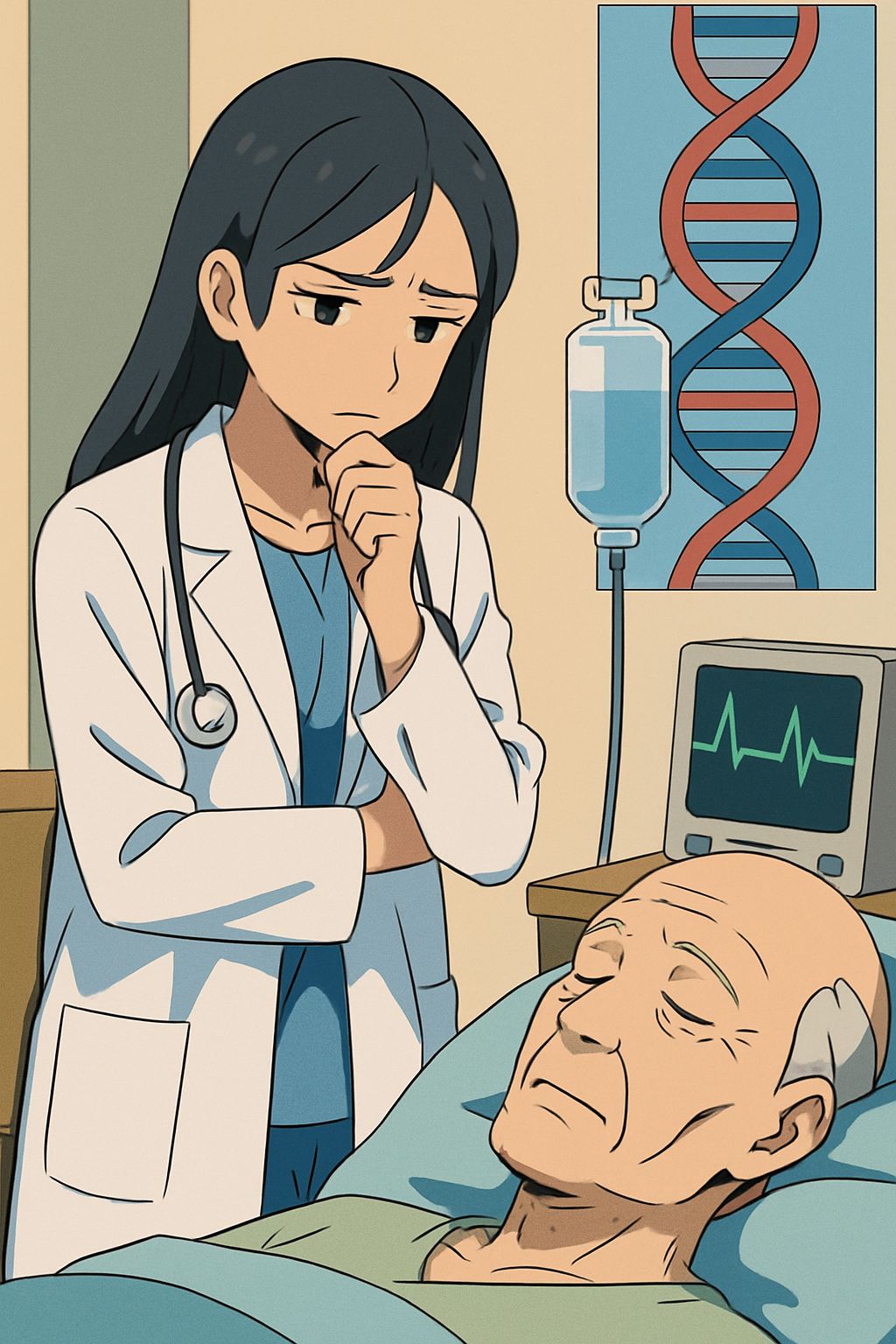
When Mara’s father entered intensive care, the machines seemed to promise more than they could deliver. A ventilator moved air into his lungs, while medication kept his blood pressure within a survivable range. Yet the underlying illness continued its course, and he could no longer communicate. The family had to decide whether to continue treatment that might prolong his life without restoring awareness, or to let the machines be withdrawn. Their dilemma was not simply a contest between hope and despair. It concerned what counted as benefit, who had the authority to define it, and whether preserving biological function was always the same as caring for a person.
The medical team explained that an advance directive, written years earlier, recorded her father’s wish to avoid prolonged life support if recovery was unlikely. Even so, the document did not settle every question. His condition had changed in ways no one could have anticipated, and relatives disagreed about what he would have considered an acceptable life. The clinicians’ task was therefore both technical and interpretive: to describe the likely outcomes honestly, while helping the family understand the values that should guide a decision. Bioethics offers no formula that dissolves such conflicts. It provides a disciplined way to examine them, giving weight to autonomy, relief of suffering, fairness and the responsibilities owed to those who cannot speak for themselves.
The same tension between possibility and restraint appears in gene editing. Techniques that can alter DNA may prevent a child from inheriting a severe disorder, sparing families profound suffering. But interventions made in embryos could affect descendants who never consented, and changes introduced into human populations might be difficult to reverse. A distinction is often drawn between treating disease and enhancing traits, yet the boundary is less clear than it first appears. Preventing a fatal condition may seem morally different from selecting for height or particular abilities, but both decisions reflect judgments about which lives and qualities society values. Access matters too: if genetic interventions are available only to the wealthy, medical progress could deepen existing inequalities rather than relieve them.
Mara’s family eventually chose to withdraw the ventilator, following her father’s expressed wishes. The team continued to provide medication and attentive care, and he died peacefully several hours later. The decision did not make the loss easier, nor did it prove that every family facing a similar situation should choose the same path. It showed, instead, that medicine’s powers do not remove the need for judgment. At the edge of what treatment can achieve, care may mean declining an intervention; at the edge of what biotechnology can change, it may mean setting limits before a possibility becomes an expectation. Bioethics asks not only what medicine is capable of doing, but what it ought to do, for whom, and under whose authority.