Old Gods, New Masks
445 words
When a streaming service announced a drama about a city threatened by rising water, its publicity described the series as entirely modern. Yet viewers soon noticed its familiar architecture: a proud ruler ignored warnings, a community faced a disaster it had helped to create, and survival depended on learning to live differently. The writers had not adapted a particular ancient myth. They had drawn, perhaps unconsciously, on a pattern that stories have carried for millennia: human arrogance meets forces it cannot command.
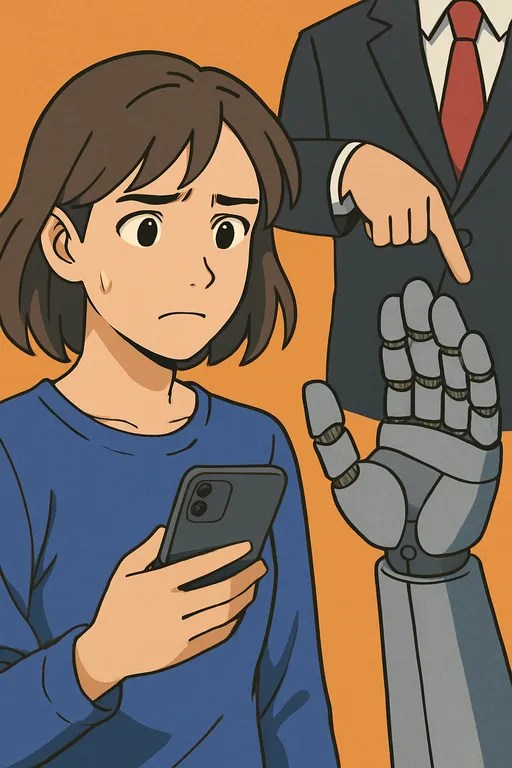
Myths endure not because people still accept every supernatural explanation they offer, but because they give lasting form to difficult experiences. A tale of a hero descending into the underworld can speak to grief, depression, or the painful return to ordinary life after trauma. The story of Icarus, who flies too close to the sun, has become a shorthand for ambition without restraint. Such comparisons are not exact translations. A modern character may be a scientist, an athlete, or a teenager with a phone, but the old narrative supplies a structure in which private choices acquire larger significance.
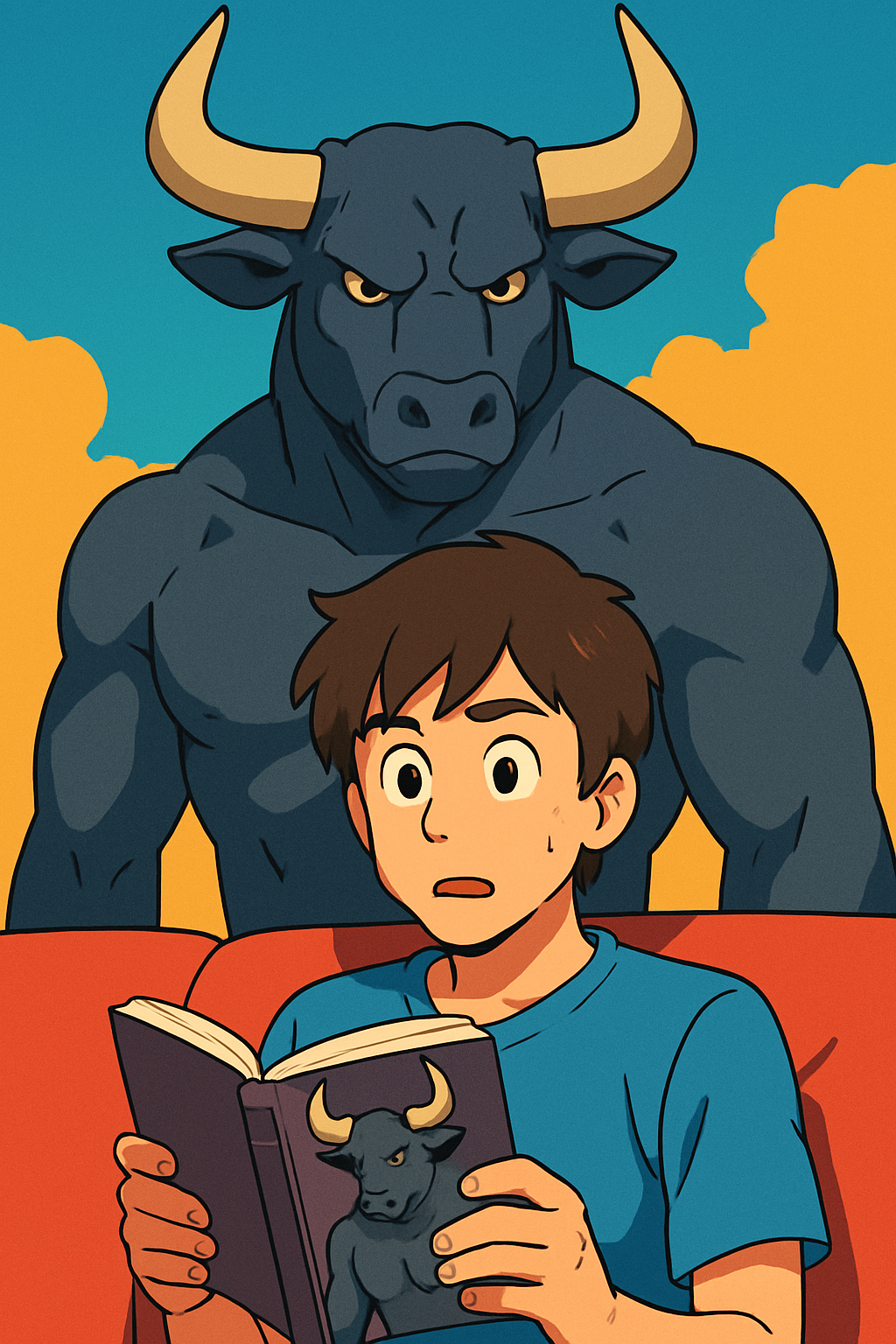
Contemporary culture also revises myths rather than simply repeating them. For centuries, many familiar legends were told from the viewpoint of kings, warriors, and male heroes, while women appeared chiefly as prizes, temptresses, or warnings. Novelists and filmmakers now retell the same material from the margins, allowing a silenced queen or a supposedly monstrous creature to explain what happened. The change can be more than cosmetic. Once a familiar villain speaks in a credible voice, audiences may discover that the original story’s moral certainty was built on an unequal distribution of power.
This process is visible beyond books and screens. Brands borrow the names of gods to suggest speed, beauty, or invincibility; political speeches invoke heroic trials and national destiny. Such references can enrich a message, but they can also smuggle authority into it. A corporation named after a deity does not thereby possess divine wisdom, and a leader who casts himself as a saviour may be asking citizens to mistake theatrical confidence for competence. Understanding the myth beneath the metaphor helps us notice what a speaker wants us to admire—and what they would rather leave unseen.
The modern world has not outgrown myth. It has acquired new technologies for distributing old patterns, while giving each generation the means to challenge them. A familiar story can reassure us that suffering belongs to a larger human history; it can also be rewritten to reveal whose suffering was overlooked. The most compelling contemporary myths do both: they offer the recognition of an ancient echo, then alter its meaning enough to make us hear the present more clearly.