The Words Beneath the Vote
480 words
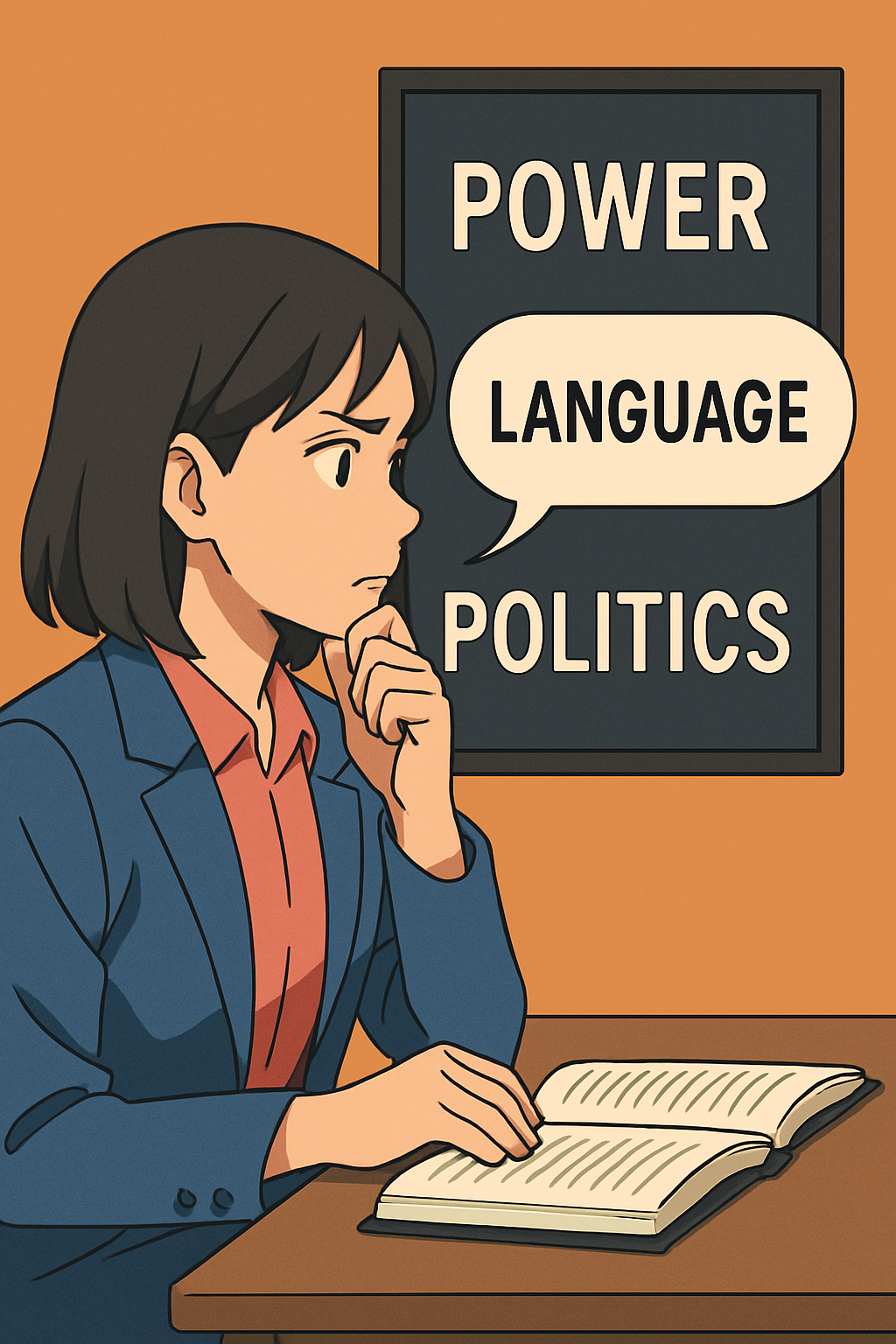
When the river crossed its banks and flooded the eastern quarter, the city council called the event an “unprecedented natural disruption.” The phrase appeared on official notices, in interviews, and across the evening news. It sounded measured, almost reassuring. Yet it left residents wondering why drains had been neglected and why a protective wall, approved years earlier, had never been built. In the council chamber, Mara Venn, a junior translator, noticed that the language did more than describe the flood: it directed attention away from choices that had preceded it.
Mara worked between English and the local language, rendering public statements for a multilingual radio station. She had been taught that a translator should preserve meaning rather than prosecute an argument. But meaning, she discovered, was rarely a parcel that could be carried intact from one language to another. The council’s “temporary relocation” became, in a resident’s speech, “being driven from home.” A “review of service priorities” was understood as a cut to the clinic’s night staff. Each version disclosed something the polished phrase had kept out of sight.
For a programme marking the flood’s anniversary, Mara proposed broadcasting two recordings side by side: the council’s original statement and interviews with people who had lived through the evacuation. Her editor hesitated. The plan, he said, might appear partisan. Mara replied that neutrality did not require treating unequal claims as equally complete. A statement from an office and a testimony from a soaked kitchen were both evidence, but they answered different questions. One explained how the council wished the event to be understood; the other showed what that understanding excluded.
The broadcast unsettled listeners in ways no slogan could have predicted. Some accused the station of exploiting grief. Others wrote to say that, for the first time, they had heard their own experience described without being reduced to a statistic. The council’s spokesperson later complained that the programme had taken words out of context. Mara agreed that context mattered. That was precisely why the station had included the full sentence, the date it was issued, and the recording of the mayor speaking it beneath a banner announcing a new drainage budget.
Months later, during the next election campaign, candidates arrived with familiar vocabularies. One promised “restoration,” another “resilience,” while a third warned against “wasteful dependency.” These words carried histories as well as promises. Restoration suggested a return to a past that some residents had never enjoyed; resilience praised endurance, but could also excuse officials from preventing avoidable hardship. Mara began to hear political language not as a veil hiding a single, settled reality, but as a set of frames through which different realities became visible—or disappeared. Her work was not to strip every phrase of persuasion. It was to make the framing legible, so that citizens could judge not only what leaders proposed, but what their words asked them to overlook.