Small Acts of Respect Around the World
265 words
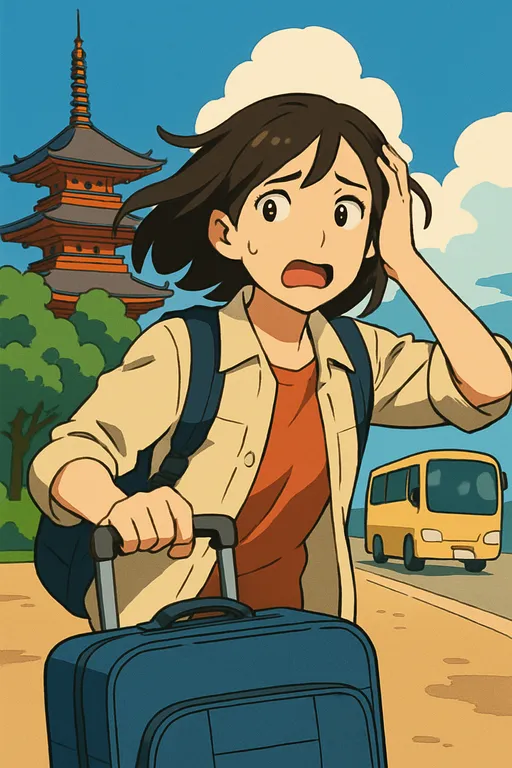
When Maya began a new job, her company sent her to meet a team in Japan. Before the trip, her colleague Ken explained a few customs. He said that people often bow when they greet each other. The bow can be small or deep, depending on the situation. Maya practised, but Ken reminded her that a friendly smile was important too.
At the first meeting, the team exchanged business cards. Maya started to put hers into her bag, but then she remembered Ken’s advice. She looked at each card carefully and placed it on the table in front of her. Her hosts seemed pleased. Later, they shared a meal. Maya waited a moment to see what others did before she began eating. This helped her feel more comfortable and avoid small mistakes.
On another trip, Maya visited a family in Mexico. She brought a box of chocolates as a gift. Her host thanked her warmly and invited her inside. Maya had heard that greetings there could include a handshake or a light hug, so she followed the family’s lead. She also learned that people might spend time talking before they begin a meal. The conversation was part of being welcoming, not a delay.
Maya discovered that customs are not strict rules that everyone follows in exactly the same way. They are useful signs of respect, and they can change between families and situations. When she was unsure, she watched, listened, and asked politely. Her hosts appreciated her interest. She learned that a little preparation—and a willingness to learn—can help people feel at ease across cultures.