Learning Beyond the Classroom
214 words
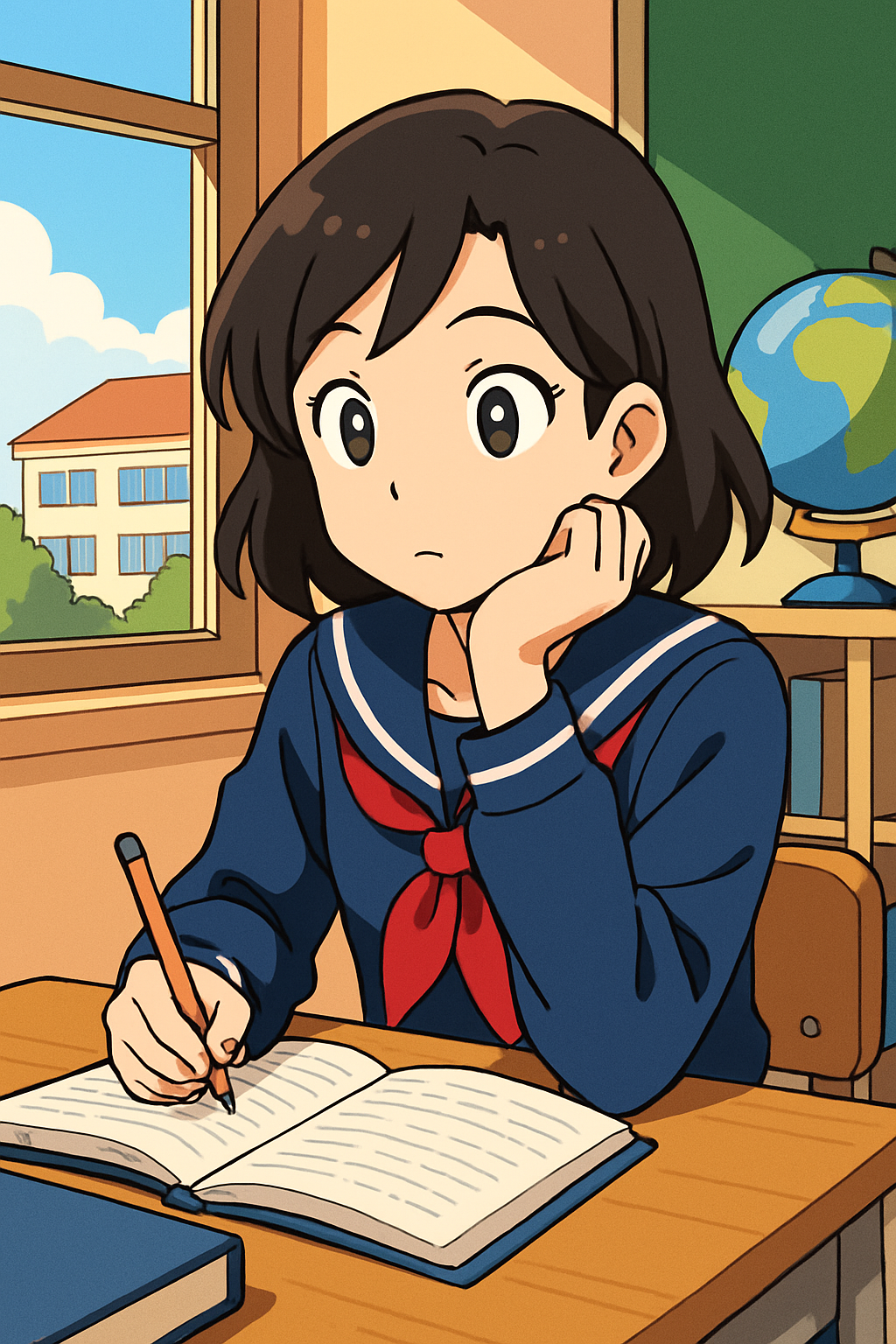
When Maya began her first year at university, she expected to spend most of her time in lecture halls. She soon learned that studying could happen in many places. Some lessons were online, and her classmates often met in the library or a quiet café to work together.
Maya found her history course difficult at first. The reading took longer than she expected, and she sometimes forgot important details. Her teacher suggested that she make short notes after each lesson and explain new ideas to a classmate. Maya also started a weekly study group. Each student brought one question, and they took turns explaining what they understood.
Not every kind of learning happened at university. On Saturdays, Maya volunteered at a community garden. She learned how to care for vegetables from an older volunteer, while she showed him how to use a phone app to check the weather. They both discovered that teaching and learning could go in either direction.
By the end of the year, Maya felt more confident. She still attended lectures and studied for exams, but she no longer believed that learning was limited to books and classrooms. It could come from practice, conversation, and people with different experiences. For Maya, becoming a better student meant staying curious wherever she was.