The Journey to a Better Commute
271 words
Every weekday morning, Maya takes a bus from her neighborhood to the city center, where she works in a small bookshop. The journey usually takes forty minutes. When traffic is heavy, it can take much longer, and Maya sometimes arrives feeling tired before her day has even begun. Still, she enjoys seeing familiar faces on the bus and watching the city wake up.
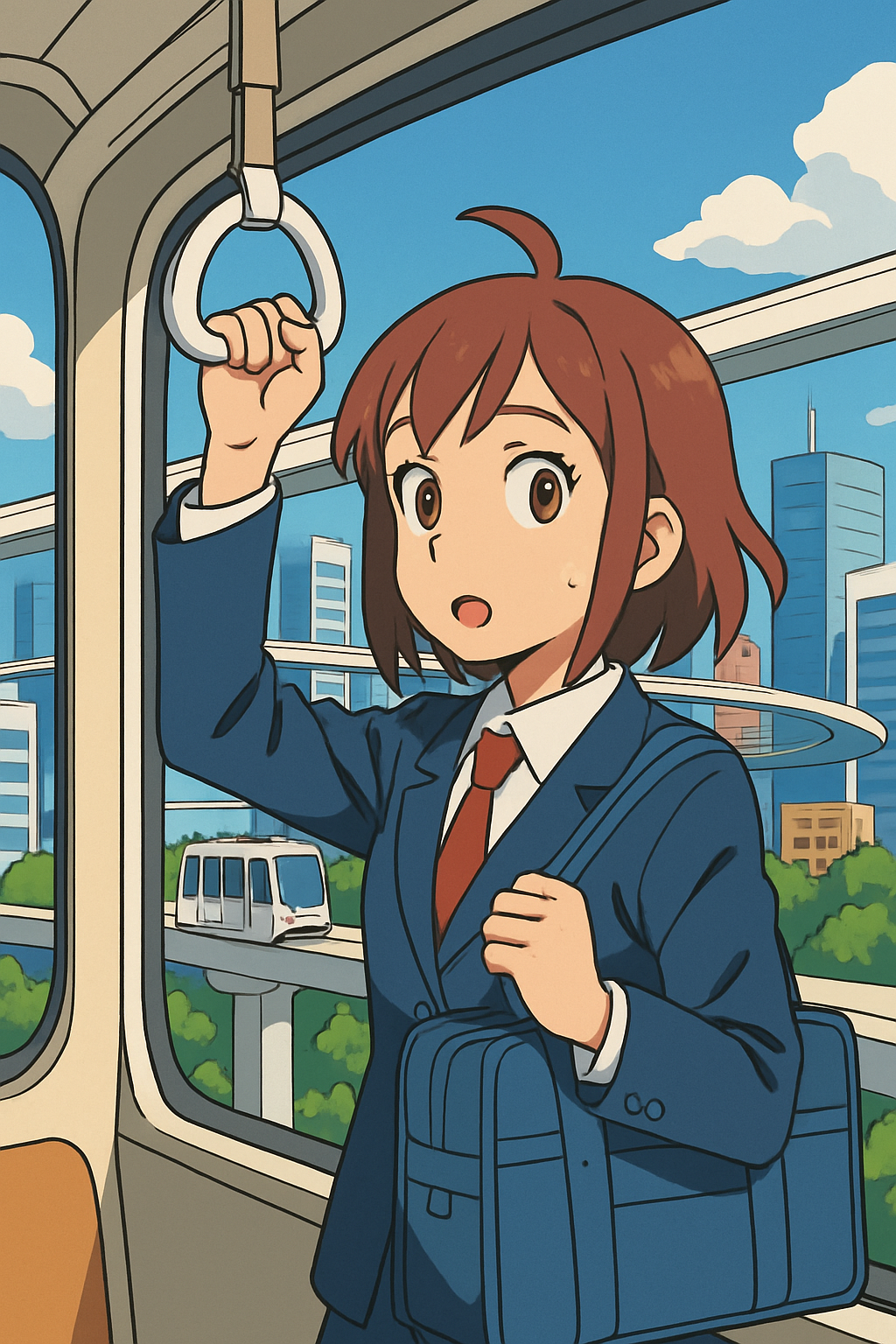
Recently, the city began testing a new public transport system. Electric buses now run more often, and passengers can use one simple ticket for buses, trains, and the underground. Maya can also check live travel times on her phone, so she knows when a bus is delayed. On sunny days, she rides her bicycle to a nearby station and takes the train for the rest of the journey.
These changes are part of a bigger plan to make travel cleaner and easier. Electric vehicles produce less air pollution on the street, while frequent services can encourage people to leave their cars at home. In the future, the city hopes to add more bike lanes and improve connections between different kinds of transport. These plans will take time and money, and they must work for people who live in every part of the city.
Maya's commute is not perfect, but it has become more reliable. She uses the extra time on the train to read, and she feels good about making a choice that is better for the environment. For her, the future of public transport is not only about new technology. It is also about giving everyone a safe, affordable way to get where they need to go.